

Most people check their phones within minutes of waking up. Text messages cut through the noise of crowded email inboxes and social media feeds, offering a direct line to your audience. When you want to reach customers instantly, text messaging remains one of the most reliable channels available.
However, sending messages manually to thousands of customers is impossible. That is where automation comes in. By setting up systems to handle your outreach, you can maintain a personal touch at scale. You can send the right message to the right person at the exact right moment, all without lifting a finger after the initial setup.
Implementing effective sms marketing automation strategies can completely transform how your business communicates. This guide covers everything you need to know to build a robust, automated text messaging system. You will learn how to choose the right software, design engaging drip campaigns, and create personalized workflows that turn casual subscribers into loyal customers.
The Fundamentals of Automated SMS Marketing Campaigns

Automated SMS marketing campaigns allow businesses to schedule and send text messages based on specific triggers or timelines. Instead of typing out individual texts, you set the rules, and the software handles the execution. This approach guarantees consistent communication with your audience. You can welcome new subscribers immediately, send birthday discounts, or remind customers about items left in their online shopping carts.
The success of these campaigns heavily relies on timing and relevance. A message sent at 2:00 AM will likely frustrate a customer, while a well-timed lunch offer at 11:30 AM can drive immediate foot traffic. Automation allows you to program these parameters perfectly.
Choosing SMS Marketing Automation Tools and Software
Selecting the right platform is critical for executing your sms marketing automation strategies. The market offers dozens of platforms, each with different strengths. Look for software that integrates smoothly with your existing Customer Relationship Management (CRM) system and email marketing tools.
Key features to evaluate include visual automation builders, robust analytics, and built-in compliance tools to help you navigate regulations like the Telephone Consumer Protection Act (TCPA). Popular options often provide templates for common workflows, making it easier for beginners to get started quickly. Take advantage of free trials to test the user interface before committing to a long-term contract.
How to Automate Text Message Marketing

Starting your automation journey requires a clear plan. First, you must secure explicit permission from your contacts to send them text messages. This is non-negotiable for legal compliance. Use opt-in forms on your website or keyword campaigns where customers text a specific word to a shortcode.
Once you have an audience, map out the customer journey. Identify key touchpoints where a text message adds value. Next, build your segments. Group your subscribers based on their behaviors, purchase history, or geographic location. Finally, write your message copy, set your triggers in your chosen software, and activate the campaign. Always monitor the initial results to ensure messages fire correctly.
Building Effective SMS Drip Campaign Strategies
One of the most effective SMS Marketing Automation Strategies is creating structured drip campaigns that deliver a sequence of messages over a scheduled period of time. These campaigns help businesses stay connected with subscribers without needing to send every message manually. A typical SMS drip campaign may begin with a welcome message immediately after a user subscribes, followed by a promotional offer a few days later, educational content after that, and finally a follow-up message requesting feedback or encouraging another purchase. This gradual communication process helps nurture leads while keeping your brand consistently visible.
The success of SMS drip campaigns heavily depends on timing, relevance, and message frequency. Sending too many texts within a short period can quickly frustrate subscribers and increase opt-out rates. Strong SMS Marketing Automation Strategies focus on delivering concise, value-driven messages that feel helpful rather than intrusive. Every message should include a clear call to action, whether it is encouraging users to shop, book an appointment, or claim a discount. Businesses should also regularly test different schedules, message formats, and engagement triggers to discover which workflows generate the best customer response and conversions.
Driving Customer Engagement Through SMS Automation
Text messaging naturally creates a more personal and conversational experience compared to many other marketing channels. Effective SMS Marketing Automation Strategies use this advantage to encourage real customer interaction rather than one-way communication. Businesses can ask questions, request reviews, run polls, or invite customers to reply directly to messages. These interactions help customers feel valued and involved, which strengthens trust and long-term brand loyalty.
Automation also allows businesses to instantly respond to customer actions or keywords without requiring constant manual support. For example, if a subscriber replies with “HELP,” the system can automatically send customer support information or a direct assistance link. If someone texts “STORE HOURS,” they can immediately receive updated business hours and location details. These automated yet personalized interactions improve customer satisfaction by delivering quick answers and a smoother overall experience. Over time, these engagement-focused SMS Marketing Automation Strategies help businesses build stronger customer relationships while increasing response and retention rates.
Utilizing Transactional SMS Marketing Automation
Creating Personalized SMS Marketing Workflows
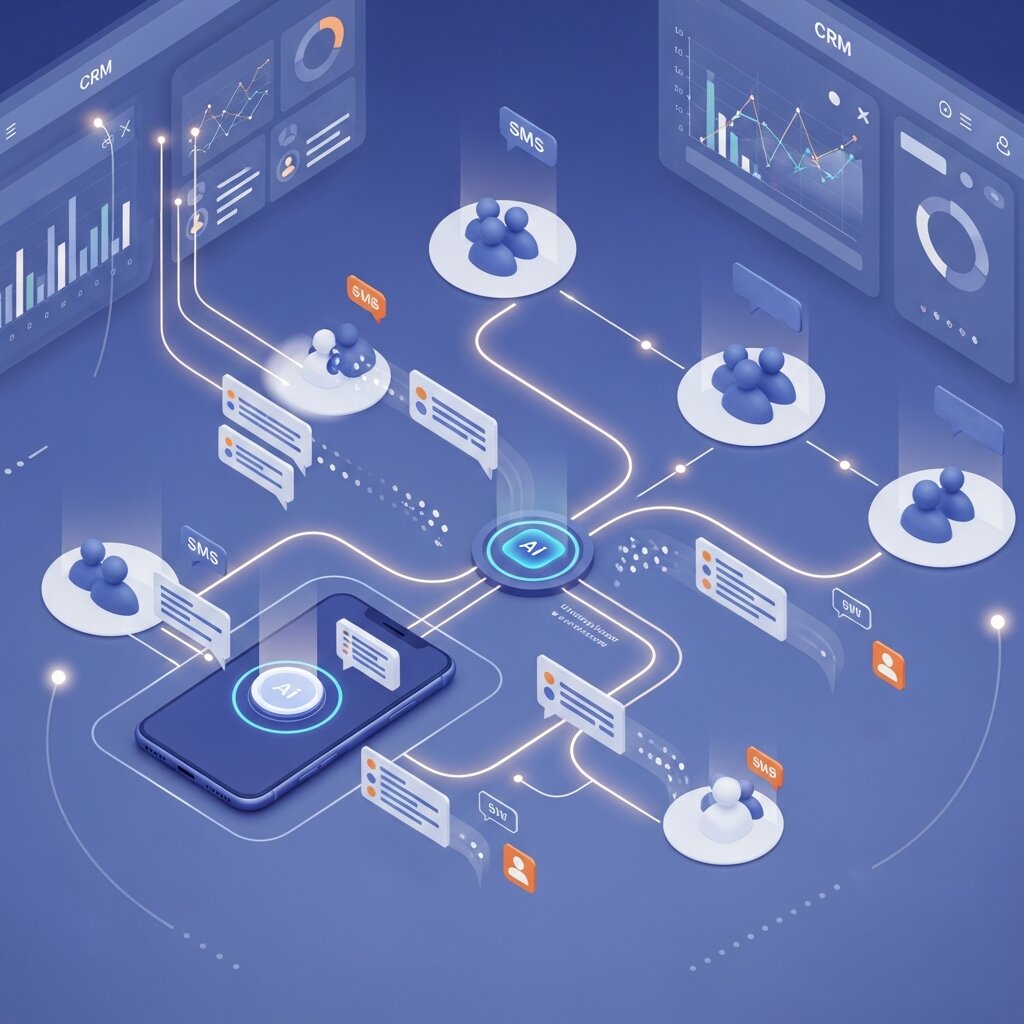
Personalization significantly improves campaign performance. Beyond simply inserting the subscriber’s first name, use data to tailor the entire message. A personalized workflow might trigger a message based on a specific product a customer viewed on your website.
If a customer frequently buys dog food from your pet store, automate a reminder text every 30 days. Include a direct link to reorder their preferred brand. This level of personalization demonstrates that you understand their needs and value their business.
Mastering SMS Marketing Funnel Automation
Your SMS strategy should align with your broader sales funnel. At the top of the funnel, use text messages to distribute helpful content and build brand awareness. As leads move to the consideration phase, send product demonstrations, webinars, or comparison guides.
When they reach the bottom of the funnel, automate high-converting offers like limited-time discounts or free shipping codes. Post-purchase, transition them into a retention funnel that asks for reviews and promotes loyalty programs. Mapping your texts to the buyer’s journey ensures maximum conversion rates.
Scaling with Bulk SMS Automation for Businesses
Bulk SMS automation allows you to reach a massive audience simultaneously. This is ideal for major announcements, holiday sales, or urgent company updates. Even when sending in bulk, segmentation remains crucial. Sending a blanket message to your entire database often yields lower engagement than sending targeted bulk messages to specific segments.
Ensure your software can handle high delivery speeds without throttling. Test your messages on a small segment before broadcasting to the entire list to catch any typos or broken links.
Implementing SMS Retargeting Automation Strategies
Retargeting helps you recapture lost revenue. If a customer abandons their online shopping cart, an automated text sent a few hours later can prompt them to complete the purchase. You can sweeten the deal by including a small discount code in the retargeting message.
You can also use SMS to retarget customers who haven’t engaged with your brand in several months. A simple “We miss you” message paired with an exclusive offer is highly effective at re-engaging dormant subscribers.
Frequently Asked Questions
What are SMS marketing automation strategies?
These strategies involve using software to schedule, trigger, and send text messages to customers automatically based on specific actions, timelines, or behaviors.
How much does SMS automation software cost?
Pricing varies widely based on the volume of messages you send and the features you need. Basic plans can start around $20 per month, while enterprise solutions can cost hundreds.
Is SMS marketing legal?
Yes, but you must strictly follow regulations like the TCPA in the United States. You must obtain explicit written consent from contacts before texting them.
What is an SMS drip campaign?
A drip campaign is a sequence of automated text messages sent over a predetermined schedule to nurture leads or onboard new customers.
How do I get people to opt-in to my texts?
Offer a compelling incentive, such as a discount code or exclusive content, in exchange for their phone number on your website or social media channels.
Can I personalize automated text messages?
Absolutely. Most platforms allow you to pull data from your CRM to insert names, recent purchases, and tailored recommendations into your automated texts.
What is a transactional SMS?
A transactional text is an automated message conveying essential information, such as an order confirmation, shipping update, or password reset link.
What is a good open rate for SMS marketing?
SMS open rates are incredibly high, often averaging around 98%. Most messages are read within three minutes of receipt.
How often should I send automated text messages?
Pacing depends on your industry and audience, but a general best practice is 2 to 6 messages per month to avoid annoying your subscribers.
Can customers reply to automated texts?
Yes, many platforms support two-way messaging, allowing customers to reply directly. You can set up keyword-based automated responses or have a live agent take over.
What is SMS retargeting?
SMS retargeting involves sending automated texts to customers who took a specific action, such as abandoning a shopping cart, to encourage them to complete the process.
Do I need a shortcode or a long code?
Shortcodes (5-6 digits) are great for high-volume, mass marketing. Long codes (standard 10-digit numbers) are better for localized, conversational messaging.
How do I measure the success of my SMS campaigns?
Track metrics such as delivery rates, open rates, click-through rates (CTR), conversion rates, and the unsubscribe rate to gauge performance.
Can I integrate SMS automation with my email marketing?
Yes, the best marketing strategies use SMS and email together. Most modern automation tools integrate the two channels for cohesive omnichannel campaigns.
What should I include in an SMS CTA?
Keep your Call to Action short and direct. Use phrases like “Shop Now,” “Claim Offer,” or “Reply YES,” followed by a clean, shortened hyperlink.
Launching Your Next SMS Campaign
Implementing effective SMS Marketing Automation Strategies requires more than simply sending promotional text messages. A successful campaign starts with careful planning, audience segmentation, and creating messages that provide real value to your subscribers. Businesses should begin by selecting a reliable SMS automation platform that supports scheduling, personalization, analytics, and customer segmentation. Once your system is in place, map out automated workflows such as welcome messages, abandoned cart reminders, promotional offers, and follow-up sequences to create a smooth customer experience.
One of the most important parts of successful SMS Marketing Automation Strategies is timing and relevance. Customers are far more likely to engage with messages that feel timely, personalized, and useful rather than overly promotional. Testing different send times, message formats, and call-to-action styles helps identify what resonates best with your audience. In addition, regularly reviewing campaign analytics—such as open rates, click-through rates, and conversions—allows you to continuously improve performance and customer engagement.
As your campaigns grow, refining your SMS Marketing Automation Strategies becomes essential for maintaining strong customer relationships and increasing long-term revenue. Focus on building trust by respecting subscriber preferences, avoiding excessive messaging, and consistently delivering meaningful content. With the right automation workflows and ongoing optimization, SMS marketing can become one of the most effective channels for customer retention, engagement, and sales growth.