

SMS marketing enables businesses to engage customers instantly with personalized, high-converting messages. This guide covers strategy, compliance, segmentation, automation, and analytics to build effective campaigns that boost engagement, sales, and long-term customer loyalty growth results.
Smart businesses know that reaching consumers quickly and directly requires a well-planned SMS marketing strategy. SMS marketing acts as a highly effective direct channel, delivering concise text messages directly to customers’ mobile devices. With open rates routinely passing 90%, text marketing generates swift engagement and encourages prompt action from buyers. Savvy organizations use every SMS campaign to complement their existing communication strategies, blending text messages with email, social media, and push notifications.
The world of SMS marketing is not static. It continues to evolve with technology, changing consumer preferences, and the growing need for authentic, personalized communication. As data protection regulations tighten and mobile habits shift, adapting your SMS marketing strategy is crucial to sustaining engagement and ensuring compliance. In this guide, we’ll not only cover the basics but also delve into advanced techniques that leading brands are using to win customers and grow revenue through SMS marketing.
This comprehensive guide breaks down the fundamentals of SMS marketing. We cover how to build a strategic SMS campaign and highlight best practices to optimize your text marketing performance. You will learn how to craft compelling text marketing messages, pick the right SMS marketing tools, navigate strict compliance rules, and track metrics. We want to help you launch, manage, and scale impactful SMS marketing programs that keep your buyers engaged and drive measurable revenue.
Understanding SMS Marketing and Its Importance
Why SMS Marketing Matters Right Now
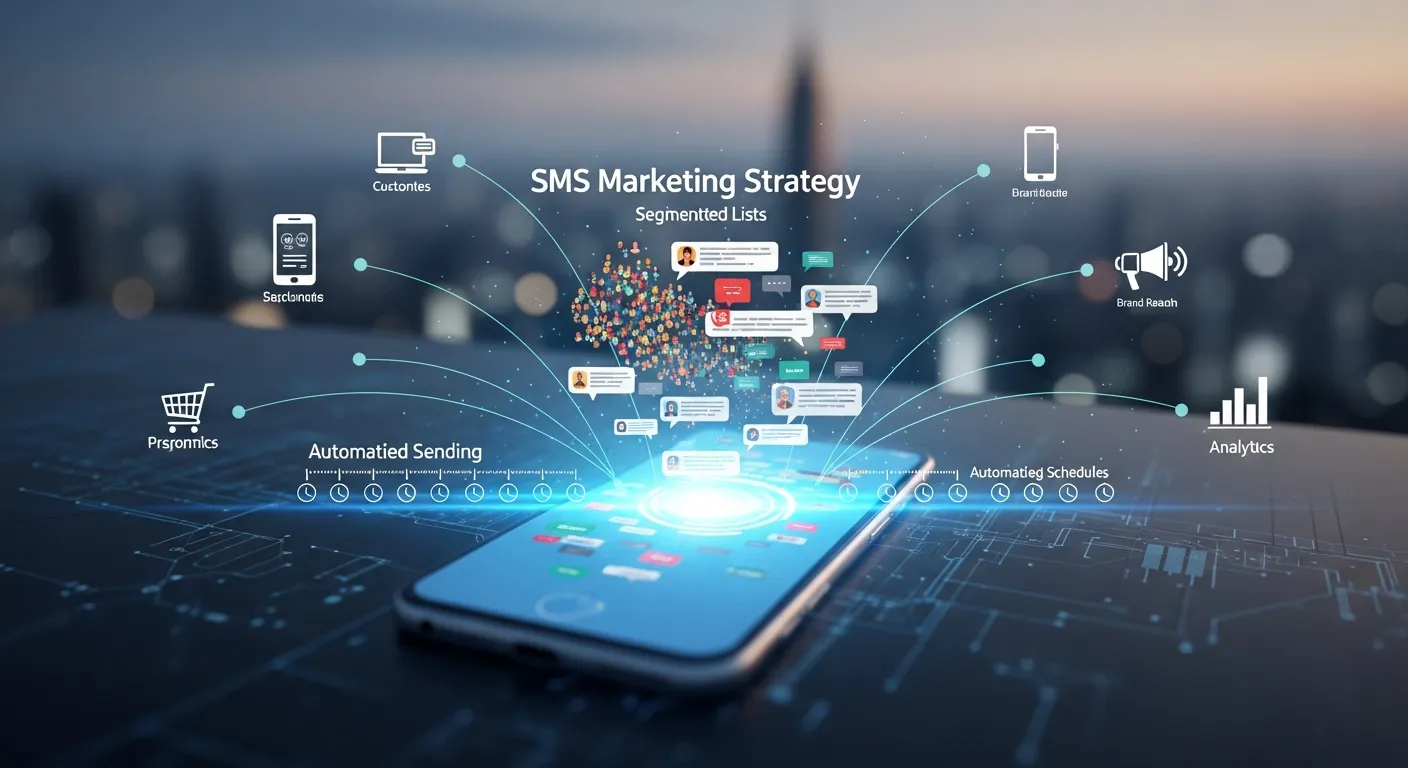
SMS marketing uses Short Message Service technology to send brief, targeted texts to subscribers who agree to receive them. Unlike email marketing, which often lands in spam folders, an SMS campaign goes straight to the primary messaging app on a user’s phone. Over 90% of text messages get read within minutes. This makes SMS marketing the perfect channel for time-sensitive announcements, flash sales, or critical appointment reminders.
Attention spans continue to shrink. SMS marketing gives you a direct line to cut through the noise. You can reach audiences on devices they hold in their hands all day. Whether you want to promote a discount or send a shipping update, text marketing builds immediate engagement. An effective SMS campaign drives conversions much faster than typical digital outreach methods.
But speed isn’t the only reason SMS marketing is so crucial. The ability to foster a personalized relationship is another strength. Recipients are more likely to value—and act on—messages that are crafted with their preferences and needs in mind. That’s why brands integrate SMS marketing with customer relationship management (CRM) data, tailoring offers and updates to individual tastes. With powerful automation tools, segmenting and reaching customers with unique, relevant SMS campaigns is easier than ever before.
SMS Marketing and Mobile Ecosystems
In addition, the rising use of smartphones for online shopping, banking, and content consumption means SMS marketing offers a quick “touchpoint” in the customer journey. When your audience is checking their phones dozens of times a day, text marketing makes sure your message is right there, in the palm of their hand, when it counts the most.
How Text Marketing Beats Other Channels
To understand the power of an SMS campaign, we must compare it to other popular communication methods. Text marketing excels in open rates and speed.
|
Feature |
SMS Marketing |
Email Marketing |
Social Media |
|---|---|---|---|
|
Average Open Rate |
90% – 98% |
15% – 25% |
Varies by algorithm |
|
Delivery Speed |
Instant |
Minutes to hours |
Algorithm dependent |
|
Response Time |
Under 3 minutes |
Hours to days |
Hours to days |
|
Best Use Case |
Urgent alerts, sales |
Newsletters, long-form |
Brand awareness |
SMS marketing’s immediate reach and direct delivery provide a unique value that email and social can’t always match. Social channels may be crowded or limited by changing algorithms, while an SMS marketing message lands where it will be seen—a consumer’s most-used app. As a result, marketers who include SMS campaigns in their mix often see increased engagement, faster conversions, and higher campaign ROI.
Key Elements of a Winning SMS Campaign
Essential Components for High Conversion
A successful SMS marketing program combines clarity, brevity, and relevance. You need specific elements to make your text marketing work efficiently. Every SMS campaign relies on building a foundation of trust and precision, but the most effective programs go beyond the basics, creating positive user experiences that drive sustainable growth.
Clear Opt-In Mechanisms
You must ensure subscribers willingly provide their phone numbers. They need to understand the type and frequency of text marketing messages they will receive. Clear consent forms protect your SMS marketing reputation and keep your SMS campaign compliant with the law.
Transparent opt-in language is not just best practice—it’s often required by law. Ensure your welcome message sets expectations, lists the benefits, and highlights how to opt out at any time. This establishes trust and reduces the risk of future complaints, unsubscribes, or even legal trouble. For even better results, periodically remind subscribers of the value they’re getting from your SMS campaign.
Strategic Audience Segmentation
Group your text marketing users by demographics, purchase history, geographic location, or engagement level. A segmented SMS campaign delivers relevant content. When you match the SMS marketing offer to the specific user segment, your conversion rates rise significantly.
Deeper segmentation relies on data—think birthdays, product preferences, or even prior engagement with past SMS campaigns. For example, sending an exclusive offer to your top spenders or time-sensitive updates to users in specific regions can make your SMS marketing significantly more impactful.
Concise Messaging and Strong CTAs
Keep your SMS marketing messages under 160 characters. State your value proposition clearly. Every text marketing message needs a strong Call to Action (CTA). Tell recipients exactly what to do next with phrases like “Shop Now,” “Reply YES,” or “Click here.”
A truly high-performing SMS campaign will use varied CTAs based on campaign goals. For instance, “Tap for VIP access,” “Redeem code now,” or “Get your coupon” feel more specific and action-oriented. Make sure your links are short (using a URL shortener) and trackable for accurate reporting.
Example SMS Campaign Template
Here’s an SMS campaign template you can adapt:
Hi [Name], your loyalty earns you 25% off any order this weekend! Use code VIP25.
Shop here: [Short Link] - Reply STOP to opt-out.
Notice how this model keeps things brief but clear, values the recipient, and features a direct CTA.
Developing a Robust Text Marketing Strategy
Setting Clear and Measurable Objectives
Define your goals before launching any SMS marketing initiative. You might want to boost sales during a holiday, reduce cart abandonment, or improve customer retention. Establish measurable key performance indicators (KPIs) for your text marketing. Track your click-through rate, conversion rate, and subscriber growth. For example, aim for a 15% click-through rate on your next discount SMS campaign.
Align your SMS marketing objectives with your main business goals. If you value personalized experiences, your SMS campaign should highlight dynamic content and product recommendations.
Working With KPIs
Create a dashboard to monitor SMS marketing KPIs in real-time. Some of the most essential text marketing KPIs include:
- Opt-in growth rate: Measures list growth momentum for your SMS campaign.
- Click-through rate (CTR): Assesses engagement and the resonance of your SMS message.
- Redemption rate: Tracks how many people use the coupon or code from your text marketing blast.
- Response rate: Especially important for two-way SMS marketing campaigns.
- Revenue per SMS: Calculates the overall value generated from each SMS campaign.
The Role of Market Trends in Text Marketing
A good SMS marketing strategy pays attention to broader digital habits. Knowing how buyers consume information helps you time your text marketing perfectly.
Review the latest content marketing statistics to understand engagement metrics.
Recent statistics reveal that consumers increasingly prefer brands that reach out across multiple touchpoints. Integrating text marketing with other channels—such as email, in-app messaging, or retargeted ads—becomes more effective when informed by strong cross-channel data. Brands who analyze these trends build SMS campaigns that are both timely and contextually relevant.
Growing Your Subscriber List
Your subscriber database acts as the engine for your SMS marketing. Encourage text marketing opt-ins through multiple channels:
- Display website pop-ups offering exclusive SMS campaign discounts.
- Add checkout forms with clear text marketing details.
- Run social media ads directing users to an SMS marketing signup page.
- Use in-store signs to invite buyers to join your text marketing list.
Incentivizing Sign-Ups
Make joining your SMS marketing program attractive by offering:
- Welcome discounts or freebies
- Early access to new products
- VIP member-only events or sales
- Entry into giveaways
The clearer the value, the faster your text marketing list will grow. Remember to promote your SMS campaign at every step where your audience already interacts with your brand—on receipts, thank-you pages, email footers, and physical product packaging.
Creating Engaging and High-Converting Messages
Writing Concise Copy with High Impact

Good SMS marketing copy stays brief. Stick to the essentials: a personalized greeting, a clear offer, and a direct CTA. “Hi John, your favorite boots are 20% off today only! Shop now: link” fits perfectly into a text marketing format. It shows urgency and personalization.
Personalization turns a basic SMS campaign into a strong relationship tool. Insert names, reference past orders, or mention items left in a shopping cart. Modern SMS marketing platforms pull data from your e-commerce system to create relevant text marketing messages at scale.
Advanced Personalization
Top-performing brands go deeper by using purchasing anniversaries, abandoned carts, or personalized product suggestions. For example, “Happy Birthday, Alex! Celebrate with 30% off your next purchase—just for you.” Such attention to detail showcases your understanding of the customer’s journey and incentivizes action.
Scheduling and Frequency Rules
Timing dictates the success of your SMS marketing. Send your text marketing messages when recipients are most active. Late morning and early evening on weekdays usually perform best for an SMS campaign. Never send SMS marketing texts late at night.
Keep your text marketing frequency balanced. Most brands send two to four SMS campaign messages per month. Always provide a simple opt-out method, like replying “STOP,” to keep your SMS marketing compliant. Examine the B2B content marketing trends for strategic insights.
Preventing Message Fatigue
Sending too many messages risks unsubscribes, while too few may cause you to miss sales opportunities. Use analytics to determine which days/times generate the highest open rates for your audience, and consider A/B testing schedules to maximize SMS campaign effectiveness.
Segmenting By Engagement
Some subscribers will be more responsive than others. By tracking open and response rates, you can create unique SMS marketing sequences for loyal customers, recent purchasers, or those at risk of churning.
SMS Marketing Automation
Modern SMS marketing is powered by automation. With automated workflows, businesses can set up triggers like:
- Sending a welcome message after a new opt-in
- Cart abandonment reminders
- Loyal customer rewards
- Birthday or anniversary specials
Automation saves time while ensuring your audience receives timely, relevant messages that support both conversion and retention.
Selecting Platforms and Ensuring Compliance
Top SMS Marketing Platforms
Choosing the correct platform shapes your SMS marketing results. Look for text marketing tools that offer automation, two-way messaging, and A/B testing.
- Twilio: Great for developers building custom SMS campaign tools.
- Klaviyo: Integrates SMS marketing heavily with email data.
- Postscript: Excellent text marketing option for Shopify stores.
- SimpleTexting: Easy to use for any standard SMS campaign.
Be sure your platform includes features such as real-time analytics, dynamic segmentation, and compliance management tools. This enables you to measure campaign performance and remain confident that your SMS campaign respects all legal requirements.
Comparing SMS Platforms
|
Platform |
Automation |
Integrations |
Analytics |
Two-Way Messaging |
|---|---|---|---|---|
|
Twilio |
Yes |
Extensive APIs |
Yes |
Yes |
|
Klaviyo |
Yes |
Ecommerce, email |
Yes |
Yes |
|
Postscript |
Yes |
Shopify, eComm |
Yes |
Yes |
|
SimpleTexting |
Yes |
Zapier, email |
Yes |
Yes |
Legal Considerations for Text Marketing
Compliance drives safe SMS marketing. The Telephone Consumer Protection Act (TCPA) in the US requires written consent before sending promotional text marketing. The GDPR in Europe demands clear, informed opt-ins for any SMS campaign. Always maintain records of text marketing consent and identify your brand in every SMS marketing message.
International SMS Compliance
If you market to customers outside the U.S., be aware that countries such as Canada (CASL), Australia, and the EU have specific SMS marketing regulations. Always:
- Obtain explicit (not implied) consent
- Clearly state message frequency and intent
- Offer a simple opt-out command (“STOP” or “UNSUBSCRIBE”)
Failing to comply with SMS marketing laws can result in hefty fines and reputation damage.
Measuring Success and Optimizing Every SMS Campaign
Critical Metrics to Track
Monitor these indicators to evaluate your SMS marketing performance:
|
Metric |
Definition |
Importance for SMS Marketing |
|---|---|---|
|
Delivery Rate |
Percentage of texts successfully delivered |
Shows list health for your SMS campaign |
|
Click-Through Rate |
Proportion of texts that drive a click |
Indicates strong text marketing copy |
|
Conversion Rate |
Percentage of clicks resulting in a sale |
Proves the ROI of the SMS marketing |
|
Unsubscribe Rate |
Rate at which users opt out |
Highlights frequency issues in the SMS campaign |
Additional Metrics to Consider
- Response Rate: How many recipients reply or engage with two-way SMS campaigns?
- Share/Forward Rate: Useful for viral or referral-driven SMS marketing initiatives.
- ROI per Campaign: Measure profit generated versus amount spent.
Continuous Improvement Through A/B Testing
SMS marketing requires constant testing. Test subject lines, text marketing copy, CTAs, and send times. Compare an SMS campaign that uses urgency against an SMS campaign that uses exclusivity. Document the results to refine your text marketing approach. Over time, you will build a playbook of high-performing SMS marketing templates.
Making Data-Driven Adjustments
After each SMS campaign, use split testing results to optimize future messages. A/B test everything—sending times, offers, personalization tactics, and CTAs. Keep a record of your findings to establish internal SMS marketing benchmarks.
Frequently Asked Questions
What is SMS marketing?
SMS marketing involves sending promotional or transactional text messages to a list of opted-in subscribers. It serves as a direct communication channel with incredibly high open rates. Businesses use text marketing to drive immediate sales, send alerts, and build customer loyalty.
How does an SMS campaign differ from email marketing?
An SMS campaign delivers short, urgent messages directly to a mobile phone’s native texting app. Email marketing allows for longer formatting and images but suffers from lower open rates. Text marketing usually prompts a faster response time from the recipient than email does.
How often should I send text marketing messages?
Most experts recommend sending two to four text marketing messages per month to avoid annoying your subscribers. You can add triggered messages for specific events like abandoned carts or birthday rewards. Monitoring your unsubscribe rate helps you find the perfect frequency for your SMS marketing.
Do I need permission to start an SMS campaign?
Yes, strict legal regulations require businesses to obtain explicit, written consent before launching an SMS campaign. You cannot buy a list of phone numbers and start sending text marketing messages legally. You must use clear opt-in forms that explain what the user is signing up for.
What is a good click-through rate for SMS marketing?
A strong click-through rate for SMS marketing typically ranges between 10% and 15%, depending on the industry. Highly targeted and personalized text marketing can see even higher engagement. Always track your own historical data to set realistic benchmarks for your next SMS campaign.
Can I include links in my text marketing messages?
Yes, including short links is a standard best practice in any SMS campaign. Use link shorteners to save character space and track exactly how many people click through. Ensure the destination page is mobile-friendly since all text marketing users are on their phones.
How do I reduce opt-outs in my SMS campaign?
To reduce opt-outs, ensure your SMS marketing provides genuine value, such as exclusive discounts or helpful reminders. Avoid sending messages too frequently or late at night, which frustrates users. Segmenting your text marketing list also ensures people only receive messages relevant to them.
What is the best time to send SMS marketing texts?
The optimal time for an SMS campaign is usually between 10:00 AM and 8:00 PM local time on weekdays. You want to reach people when they are awake and active, but not during their commute or late at night. Always test different sending windows to see when your specific text marketing audience responds best.
How do I personalize my text marketing?
Personalize your text marketing by integrating your SMS platform with your CRM or e-commerce store. You can automatically insert the subscriber’s first name into the SMS campaign copy. You can also trigger specific messages based on the exact products they recently viewed or purchased.
Is SMS marketing effective for B2B companies?
While highly popular in B2C, SMS marketing works exceptionally well for B2B organizations when used correctly. B2B text marketing is great for event reminders, webinar links, or urgent account updates. A well-timed B2B SMS campaign helps maintain strong communication with busy professionals.
Conclusion
SMS marketing gives you one of the most direct methods to engage customers quickly. By defining clear goals, growing your subscriber list legally, and crafting concise copy, you can build a highly profitable SMS campaign. Leveraging the right text marketing platform and testing your messages will help you unlock massive engagement.
Expand on your SMS marketing by exploring integrations with other digital tools, strategizing content based on behavioral insights, and respecting both local and international regulations. Consider combining your SMS campaigns with multimedia elements like MMS for richer storytelling. Finally, keep learning from your analytics, stay updated with trends, and never underestimate the value of a well-timed, thoughtful text. Start your SMS marketing with small tests, learn from your data, and scale your text marketing to drive serious revenue and foster lasting relationships with your audience.