
Why SMS Marketing Matters

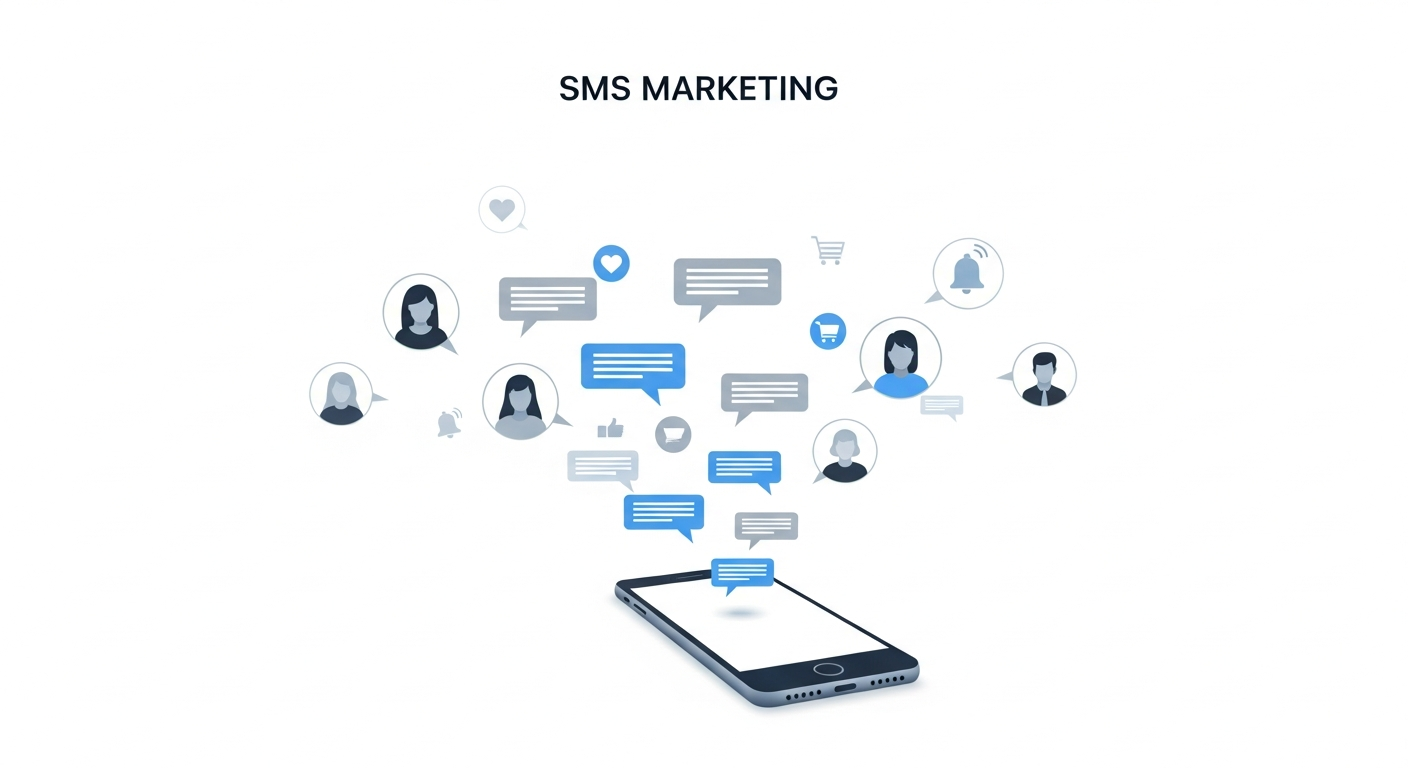
In today’s fast-paced environment, attention spans are limited and competition for consumer focus is fierce. SMS marketing breaks through the noise by delivering concise, timely updates directly to mobile devices. With an open rate north of 90%, text messaging trumps email and social media in immediacy and engagement. Brands that leverage SMS marketing benefit from near-instant communication, allowing them to share flash sales, time-sensitive alerts, and personalized offers that drive action within moments.
Unparalleled Visibility and Response Rates
SMS messages appear in the native messaging app on a user’s phone, ensuring they’re seen almost immediately. Reports indicate that recipients typically read text messages within three minutes of receipt. This speed is invaluable for promotions tied to specific time windows—such as limited-time discounts, event reminders, or same-day delivery alerts. By integrating SMS with other channels, marketers can create an omnichannel experience that boosts overall campaign performance.
Cost Efficiency and High ROI
Compared to paid search or display advertising, SMS campaigns require minimal investment per message. When combined with robust segmentation and tailored offers, the cost-per-conversion for SMS marketing is remarkably low. Brands can run A/B tests on copy or call-to-action buttons, measure click-through and redemption rates, and refine their approach to maximize return on investment (ROI). In today’s climate, achieving high ROI with limited ad spend is crucial, making SMS an attractive option for small and large businesses alike.
Direct Connection with Your Audience
People carry their mobile phones everywhere—from their morning commute to late-night browsing sessions. By securing explicit opt-in from subscribers, companies can establish a permission-based dialogue. This level of consent ensures messages are welcome, which in turn fosters trust and brand affinity. When customers receive relevant, value-driven texts—such as exclusive offers or product restock alerts—they’re more likely to engage, share feedback, and become repeat buyers.
Building and Segmenting Your Subscriber List
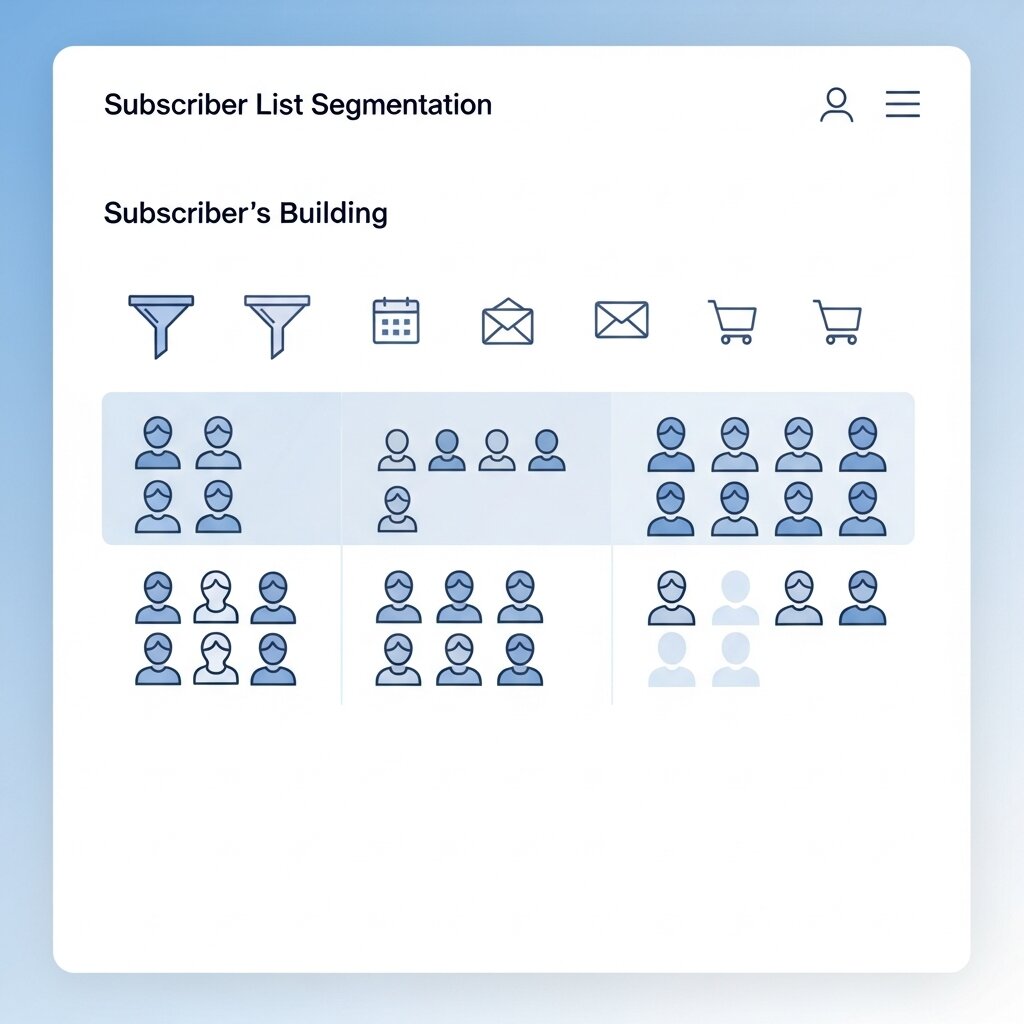
At the core of any successful SMS marketing program is a quality list of opted-in subscribers. Collecting and maintaining contact information ethically and compliantly sets the stage for high engagement and low opt-out rates. Today, gathering subscribers involves leveraging multiple touchpoints—online, in-store, and through strategic partnerships—to expand your audience in a value-driven way.
Effective List-Building Tactics
Use clear calls-to-action across your digital properties: website banners, checkout pages, and social media profiles can all invite users to join your SMS program. Incorporate web pop-ups or landing pages that highlight incentives such as exclusive promo codes, free shipping, or early access to new products. In physical locations, display promotional signage encouraging customers to text a branded keyword to a shortcode for instant rewards.
Maintaining List Health
Once you’ve attracted subscribers, it’s vital to keep the list engaged. Remove inactive contacts periodically to maintain high deliverability rates and reduce costs. Monitor metrics like delivery failures, opt-out percentages, and engagement scores to identify users who may need reactivation campaigns or should be purged. A healthy list not only improves campaign performance but also protects your sender reputation.
Strategic Segmentation for Personalization
Not all subscribers have the same preferences or behaviors. Segment your audience based on factors like:
- Purchase history (first-time buyers vs. loyal repeat customers)
- Geographic location and local time zones
- Engagement frequency (highly active vs. dormant subscribers)
- Demographics and expressed interests
By targeting specific segments with tailored content—such as region-specific promotions or product recommendations—brands can boost relevance and conversion rates. Segmentation also helps reduce unsubscribes by ensuring messages align with subscriber expectations and needs.
Crafting Effective SMS Campaigns
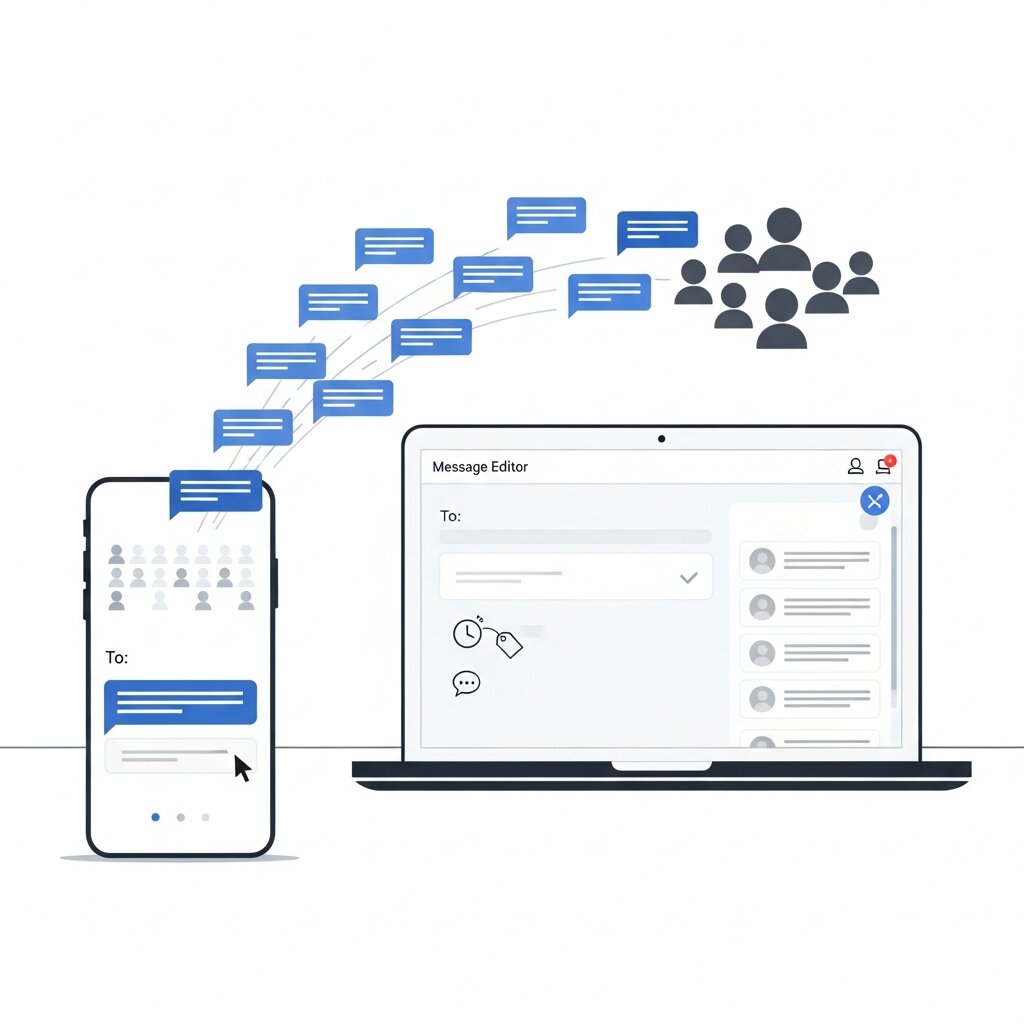
With a clean, well-segmented list in place, the next step is designing messages that prompt action. SMS marketing demands clarity, brevity, and strong calls-to-action to deliver results. While every campaign differs, there are universal best practices you can apply when writing your texts.
Keep Messages Clear and Concise
Text messages should ideally stay under 160 characters to avoid additional segments and extra costs. Use simple language, remove filler, and get straight to the value proposition. For example: “Hi Alex! Enjoy 20% off your next order. Shop now: yourbrand.com/20off.” This structure highlights personalization, the offer, and a direct link.
Incorporate Personalization
Including the recipient’s first name or referencing past purchases can significantly increase engagement. Many SMS platforms offer dynamic fields that automatically insert customer data. Paired with curated offers—like birthday discounts or product restock alerts—these personalized messages foster deeper relationships and higher conversion rates.
Use Branded Short Links and One Call-to-Action
A single, memorable URL helps track clicks and minimizes distractions. Tools such as Bitly or custom domains allow you to brand links while monitoring analytics. Always focus on one clear call-to-action (CTA)—whether it’s “Shop Now,” “Claim Offer,” or “Reply YES.” Multiple CTAs can dilute response rates and confuse subscribers.
Add Value to Every Message
Subscribers should feel rewarded for staying opted in. Beyond discounts, consider sending insider updates, early-bird invites to events, or VIP access to new products. When customers perceive genuine value, they remain engaged and are less likely to opt out.
Compliance, Timing, and Frequency Best Practices
Adhering to regulations and respecting subscriber preferences is essential for long-term success. Regulations like the TCPA in the U.S. and GDPR in the EU set strict guidelines for consent, message content, and record-keeping. Ensuring compliance today safeguards your brand’s reputation and prevents costly penalties.
Obtaining and Documenting Consent
Explicit opt-in must be collected before sending marketing messages. Use clear language on opt-in forms to outline message frequency and content. Store records of consent—complete with timestamps and source references—in a secure database. Providing transparent privacy policies and unsubscribe instructions helps maintain trust and legal compliance.
Timing Your Messages
Sending texts at appropriate times maximizes engagement and reduces subscriber fatigue. Aim to distribute 2–4 messages per month for promotional content, with additional messages reserved for transactional updates like order confirmations or appointment reminders. Schedule sends between 10 AM and 8 PM in each recipient’s local time zone, and avoid late-night or early-morning blasts.
Respecting Opt-Out Requests
Every campaign should include clear opt-out instructions, typically by replying with a keyword (e.g., “STOP”). Honor unsubscribe requests immediately—within 10 business days—to maintain compliance with federal and international regulations. Prompt handling of opt-outs reinforces your commitment to subscriber preferences.
Advanced Strategies and Performance Optimization
Once you have foundational elements in place, you can leverage automation and data-driven insights to enhance your SMS marketing efforts. Advanced strategies help scale campaigns, deliver personalized experiences at scale, and maximize return on investment.
Automated Drip Campaigns
Drip sequences automate a series of messages triggered by subscriber behavior. Common examples include welcome flows for new opt-ins, post-purchase cross-sell messages, and re-engagement series for inactive users. These automated journeys save time and ensure that each customer receives timely, relevant content.
Dynamic Content and Recommendations
By integrating your SMS platform with your CRM or e-commerce system, you can insert dynamic product recommendations based on browsing history, past purchases, or current cart items. This level of personalization drives higher conversion rates and boosts average order values.
Two-Way Messaging and Conversational Commerce
Allowing subscribers to reply directly to texts opens opportunities for feedback collection, customer support, and interactive surveys. Two-way messaging fosters deeper engagement and can guide buyers through the sales funnel via conversational commerce techniques.
Monitoring Key Metrics and A/B Testing
Track critical KPIs—delivery rate, open rate, click-through rate, conversion rate, and opt-out rate—to gauge performance. Conduct A/B tests on message copy, send times, and promotional offers. Analyze results, refine your strategies, and iterate to improve ROI continuously. Tools like Google Analytics and built-in SMS analytics dashboards provide the data you need to make informed decisions.
Frequently Asked Questions
What is SMS marketing and why is it important?
SMS marketing involves sending promotional messages via text to subscribers who have opted in. It’s important because it offers near-instant communication, high open rates above 90%, and direct engagement, making it a powerful channel for time-sensitive offers and customer updates.
How do I build a compliant SMS subscriber list?
Collect explicit opt-in by using clear call-to-action forms or keywords, storing consent records with timestamps, and providing transparent privacy policies. Use incentives like exclusive discounts to encourage sign-ups and regularly clean your list to maintain deliverability.
What are best practices for message timing and frequency?
Send promotional messages 2–4 times per month, schedule texts between 10 AM and 8 PM in each recipient’s time zone, and reserve additional sends for transactional updates. Avoid late-night or early-morning messages to prevent subscriber fatigue.
How can I measure the success of my SMS campaigns?
Monitor metrics such as delivery and open rates, click-through and conversion rates, and opt-out percentages. Use A/B testing to compare copy, send times, and offers. Integrate with analytics tools to track overall ROI and campaign performance.
What advanced strategies can boost SMS marketing ROI?
Leverage automated drip sequences for welcome, post-purchase, and re-engagement flows. Use dynamic content based on customer data, enable two-way messaging for conversational commerce, and continually optimize through testing and analytics.
What industries benefit most from SMS marketing?
Almost every industry can benefit, but especially e-commerce, healthcare, real estate, and hospitality. The Ultimate SMS Marketing Guide explains how these sectors use SMS for promotions, reminders, and customer engagement effectively.
How do I avoid subscribers opting out of SMS campaigns?
Focus on sending relevant, valuable, and well-timed messages instead of frequent spam. According to the Ultimate SMS Marketing Guide, segmentation and personalization are key to keeping users engaged.
What tools are used for SMS marketing automation?
Platforms like Twilio, Klaviyo, and other SMS marketing tools help automate campaigns, track performance, and manage lists. The Ultimate SMS Marketing Guide highlights how automation improves efficiency and ROI.
Can SMS marketing be integrated with email marketing?
Yes, combining SMS with email creates a powerful omnichannel strategy. The Ultimate SMS Marketing Guide shows how syncing both channels improves engagement and conversion rates.
What is the ideal length of an SMS marketing message?
Messages should usually stay under 160 characters to ensure clarity and avoid splitting into multiple texts. The Ultimate SMS Marketing Guide recommends keeping messages short, focused, and actionable.
How important is personalization in SMS marketing?
Very important—personalized messages using customer names or purchase history significantly increase engagement. The Ultimate SMS Marketing Guide emphasizes personalization as a core success factor.
What are common mistakes in SMS marketing?
Common mistakes include sending too many messages, lacking consent, and failing to segment audiences. The Ultimate SMS Marketing Guide warns that these errors can reduce trust and increase opt-outs.
How can SMS marketing support customer retention?
By sending loyalty rewards, re-engagement messages, and exclusive offers, businesses can keep customers coming back. The Ultimate SMS Marketing Guide shows how SMS strengthens long-term relationships.
What role does timing play in SMS marketing success?
Timing is critical—sending messages when users are active increases engagement and conversions. The Ultimate SMS Marketing Guide recommends scheduling messages within appropriate local hours for best results.
Is SMS marketing still effective in 2026?
Yes, it remains one of the most effective direct marketing channels due to instant delivery and high open rates. The Ultimate SMS Marketing Guide confirms SMS continues to deliver strong ROI even in modern digital marketing.
Conclusion
SMS marketing remains one of the most powerful channels for reaching customers directly and driving immediate engagement. By building a compliant, well-segmented subscriber list, crafting concise and personalized messages, and adhering to best practices around timing and consent, businesses can unlock impressive open rates and conversions. Advanced automation techniques—such as drip campaigns, dynamic content, and two-way messaging—enable scalable personal interactions that foster loyalty and drive revenue.
In today’s competitive environment, leveraging SMS marketing effectively can set your brand apart and deliver measurable results. Start by testing simple campaigns, monitor performance closely, and refine your approach based on data insights. With a thoughtful strategy, SMS marketing can become a cornerstone of your overall marketing mix, providing a direct line to your most engaged customers.