


In today’s fast-moving business environment, consumers demand instant, tailored communication that resonates with their needs and habits. SMS marketing automation has emerged as a powerful solution for brands seeking to engage audiences at scale without sacrificing relevancy. By leveraging automated workflows and data-driven triggers, companies can deliver personalized text messages at precisely the right moment, turning passive prospects into active customers. This year (2026), the importance of SMS as a direct channel cannot be overstated—studies show that more than 95% of text messages are read within minutes of receipt, making it one of the most effective mediums for marketing outreach.
Whether you’re a seasoned marketer or a small business owner looking to optimize customer engagement, a structured approach to SMS marketing automation will help you meet your goals. In this comprehensive guide, we’ll walk through everything from core concepts and strategic benefits to subscriber list growth, segmentation best practices, and outcome-driven optimization. Along the way, we’ll reference insights from authoritative sources to ensure your campaigns remain both compliant and impactful. Ready to transform your texting strategy into a growth engine? Let’s dive into the blueprint for success in today’s digital landscape.
Understanding SMS Marketing Automation
SMS marketing automation is the process of using specialized software to send text messages based on pre-defined triggers or schedules rather than dispatching each message manually. At its core, this approach harnesses workflows—sequences of communications triggered by specific conditions such as a user’s signup, a purchase event, a birthday, or inactivity. By automating these sequences, businesses free up valuable time, minimize human errors, and ensure that every subscriber receives timely, relevant content.
Key components of a robust SMS marketing automation system include:
- Triggers: Events that initiate messages, such as signing up on a website, adding items to a cart, or hitting a milestone date.
- Workflows: Multi-step sequences where texts are dispatched according to timing and conditional logic. For example, a welcome series that spans days or weeks.
- Personalization Tokens: Dynamic fields populated from your customer database—like first name, order number, or loyalty status—to customize each SMS.
- Analytics: Detailed reporting on delivery rates, open rates, click-through rates, and conversions, enabling data-driven refinements.
By combining these elements, marketers can create highly targeted journeys that adapt to individual behaviors. For instance, a user who abandons a shopping cart can receive a timely recovery text, while a long-term customer might be prompted with an exclusive VIP offer. This dynamic, relevance-driven approach helps brands maintain consistent communication, drive engagement, and maximize return on investment without the manual labor traditionally associated with mass texting.
Advantages of Automating Your Text Campaigns

Transitioning from manual blasts to SMS marketing automation offers a wealth of strategic advantages. Below are the primary benefits organizations experience when they implement an automated texting system:
- Scalability: Automation empowers teams to send thousands—or even millions—of personalized messages without additional headcount. Once workflows are configured, they run in the background, allowing marketing teams to focus on strategy rather than execution.
- Relevance: Trigger-based messages align with user behavior and lifecycle stages. For example, sending a birthday greeting on the exact date enhances customer sentiment and drives loyalty.
- Efficiency: A set-it-and-forget-it model reduces labor costs and minimizes the risk of human error. Messages are dispatched automatically, so manual oversight is limited to performance reviews and occasional adjustments.
- Improved Engagement: Automated, event-driven texts often see higher open and click-through rates compared to broadcast messages. This heightened engagement translates into increased website visits, higher cart recovery rates, and stronger customer retention.
- Consistent Outreach: Workflows ensure that important touchpoints—welcome sequences, post-purchase follow-ups, and re-engagement prompts—are never overlooked, maintaining steady communication across the customer journey.
Furthermore, automation helps brands optimize send times based on historical data, ensuring messages arrive when recipients are most likely to interact. Over time, these refinements lead to measurable uplifts in key metrics, from conversion rates to overall revenue. In today’s competitive landscape, harnessing the power of SMS marketing automation is not just an operational upgrade; it’s a strategic imperative for growth-oriented businesses.
Growing and Nurturing Your Subscriber List
Your subscriber list is the lifeblood of any SMS marketing automation program. A well-curated, permission-based audience not only improves deliverability but also enhances engagement and compliance. Here are proven tactics to expand your list legally and effectively:
- Double Opt-In: Send a confirmation text or email after initial sign-up to verify mobile numbers and confirm intent, reducing invalid entries and spam complaints.
- Website Pop-Ups: Offer exclusive coupons or downloadable resources in exchange for phone numbers. Ensure pop-ups are easy to close to maintain a positive user experience.
- Checkout Opt-In: Include a clear checkbox at the point of sale, explaining SMS benefits such as order updates, special promotions, or loyalty rewards.
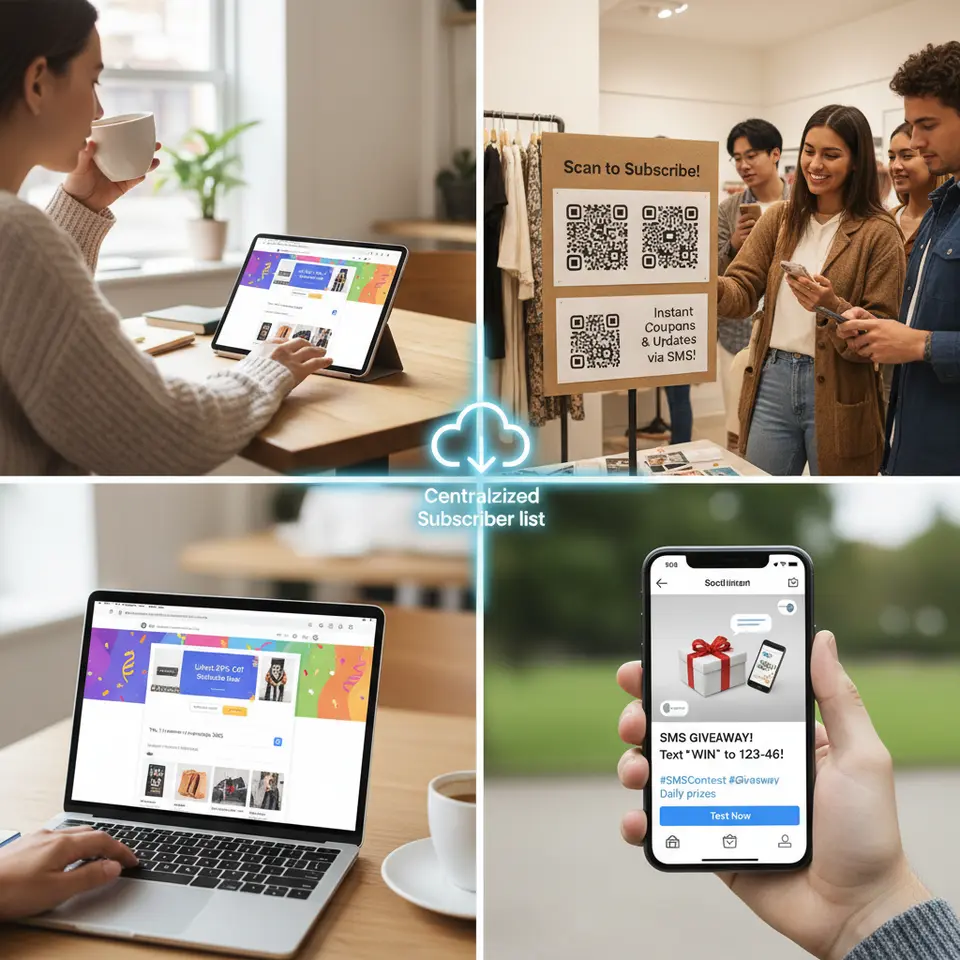
- In-Store Signage and QR Codes: Invite foot traffic to subscribe via SMS keywords or QR codes placed on receipts, displays, and product packaging.
- Social Media Campaigns: Host contests or giveaways requiring SMS opt-in. Promote these campaigns on platforms like Facebook and Instagram to leverage social proof and reach.
Quality always trumps quantity. Overloading your list with uninterested contacts can lead to reduced open rates, higher unsubscribe volumes, and potential carrier filtering. To maintain list hygiene, routinely remove inactive subscribers or those who haven’t engaged in a defined period. For deeper audience insights, leverage government and industry data—such as demographic trends from the Pew Research Center—to tailor acquisition strategies by device usage, age group, or region.
Finally, ensure your sign-up processes comply with regulations. In the United States, refer to guidelines published by the Federal Communications Commission (FCC) for rules around express written consent, messaging frequency disclosures, and opt-out mechanisms. This legal diligence preserves your sender reputation and helps avoid costly penalties.
Segmenting for Precision Engagement
Segmentation is the art and science of dividing your subscriber base into distinct groups based on shared characteristics or behaviors. By sending tailored messages to each segment, you enhance relevance and drive higher engagement. Here are key segmentation strategies to implement in your SMS marketing automation platform:
- Demographics: Segment by age, gender, location, or language to ensure cultural and regional appropriateness. For example, promote winter apparel only to recipients in colder climates.
- Behavioral Data: Use purchase history, browsing patterns, and prior SMS engagement to identify high-intent segments. Target frequent browsers with restock alerts or complementary product suggestions.
- Lifecycle Stage: Differentiate between prospects, first-time buyers, repeat customers, and VIP members. Each group responds to unique incentives—new subscribers may appreciate an introductory offer, while VIPs expect exclusive rewards.
- Channel Preferences: Some customers favor SMS over email or social notifications. Track these preferences and prioritize texting for those who engage most with short messages.
- Custom Tags and Interest Groups: Allow subscribers to self-identify interests—like sports, beauty, or tech—during sign-up. Use these tags to deliver highly targeted promotions or content updates.
Advanced platforms offer dynamic segmentation, automatically updating group membership as individuals meet or lose specific criteria. This automation layer means you never send irrelevant messages, and you can design complex workflows—such as a tiered loyalty program that elevates customers to higher segments based on spend thresholds.
Once segments are in place, tailor your messaging strategy for each audience. Test different CTAs, discount levels, and send times to learn what resonates. By combining segmentation with A/B testing routines, you’ll uncover the most effective tactics for each group, maximizing your SMS marketing automation ROI.
FAQ
How do I choose the right SMS marketing automation platform?
When selecting a platform, evaluate features like trigger-based workflows, personalization capabilities, analytics dashboards, deliverability rates, pricing tiers, and integrations with your existing CRM or e-commerce systems. Look for solutions that offer robust compliance tools (e.g., opt-in/opt-out management) and customer support to ensure smooth onboarding.
What’s the ideal frequency for sending automated texts?
Frequency depends on your audience and campaign goals. Common best practices recommend limiting automated sends to no more than 4–6 messages per month, unless you have clear consent for higher volumes. Monitor unsubscribe rates and engagement metrics to adjust sending cadence appropriately.
How can I ensure compliance with SMS regulations?
Adhere to regional and carrier regulations such as TCPA (U.S.) or GDPR (EU) by obtaining explicit consent, clearly disclosing message frequency, and providing simple opt-out instructions. Regularly review guidelines from authorities like the FCC and maintain records of subscriber permissions.
Conclusion
SMS marketing automation offers today’s businesses a powerful means to engage audiences with speed, precision, and personalization. By mastering core concepts—like triggers, workflows, and personalization tokens—and aligning those tools with strategic objectives, companies can achieve scalable, relevant communication that drives measurable results. Growing a high-quality subscriber list, adhering to compliance guidelines, and implementing thoughtful segmentation are the cornerstones of a successful program.
As you implement automated text campaigns, continuously track delivery, open, click-through, and conversion rates to identify areas for improvement. With a commitment to testing, optimization, and best practices, your SMS marketing automation efforts will deliver outstanding ROI, strengthen customer relationships, and propel your brand forward in today’s digital landscape.