
Building a Clean, Actionable Subscriber List
Effective SMS marketing starts with a reliable, up-to-date subscriber database. To ensure quality data and compliance, businesses should use a double opt-in process where users confirm their subscription through a verification link. This helps filter out invalid or uninterested contacts while supporting regulatory standards like GDPR.
During sign-up, collect only essential details such as location, preferences, and communication timing to avoid overwhelming users. It’s also important to maintain list hygiene by regularly removing inactive numbers, duplicates, and unsubscribed contacts through routine audits or CRM automation tools.
Integrating your SMS platform with CRM and marketing systems creates a unified view of customer behavior, making targeting more accurate and effective. A clean, well-maintained list ultimately improves campaign performance and ensures more meaningful customer engagement.
Defining Key Segmentation Criteria

With a pristine subscriber list in place, the next step is to categorize contacts based on attributes that drive engagement. Demographic data such as age, gender, language, and geographic region allows for basic personalization—think location-based store promotions or linguistic preferences. Yet, true segmentation power emerges when you combine demographics with behavioral and transactional insights.
Behavioral data stems from subscribers’ interactions with your brand. Track metrics like previous purchases, browsing patterns, and click-through behavior from prior campaigns. For instance, if a customer frequently views running shoes, include them in a “fitness enthusiast” segment and share relevant product launches or training tips. By doing so, you demonstrate that you understand their unique interests.
Engagement levels further refine your audience groups. Active subscribers who engage weekly have different needs than dormant users who haven’t responded in months. Create categories for repeat customers, one-time buyers, and inactive subscribers. For each group, craft messages that either reward loyalty or invite re-engagement with exclusive promotions.
Lifecycle stage segmentation helps you tailor messaging across the customer journey. New leads require welcome triggers and onboarding content, whereas long-term customers may appreciate VIP discounts or referral incentives. Lastly, preference-based segments—defined by product categories, content formats, or promotional vs. informational tones—enable ultra-targeted communication. By combining these criteria and continuously analyzing performance, your SMS marketing segmentation strategy becomes increasingly refined and impactful.
Crafting Targeted Campaigns and Optimal Timing
Once your segments are defined, the content and scheduling of your SMS campaigns become critical to success. Personalized copywriting captures attention and fosters an emotional connection. Use dynamic fields to insert each subscriber’s first name or reference their most recent purchase. For example, “Hi Sarah, your favorite hiking boots are back in stock! Shop now for 20% off.” Such customization reassures recipients that your messages are relevant, not random.
Compelling offers tailored to each group further enhance effectiveness. Send birthday discounts to subscribers who provided their birthdate, or share early access to new arrivals with your top spenders. Incorporate urgency by highlighting limited-time deals or low inventory alerts. Clear, concise calls-to-action (CTAs) like “Redeem Your Offer” or “Reserve Your Seat” guide recipients toward the desired outcome.
Timing and frequency are equally vital in today’s fast-paced environment. Analyze historical open and conversion data to identify peak engagement windows. Many brands see higher response rates midweek between late morning and early afternoon. However, time zones matter—schedule sends based on each subscriber’s local clock to avoid after-hours disturbances.
Additionally, respect frequency caps to prevent subscriber fatigue. A general guideline is sending no more than two to three promotional texts per week per segment. Offering opt-down choices—allowing users to receive only the most critical alerts—can reduce opt-outs and demonstrate respect for subscriber preferences. By balancing personalization, urgency, and scheduling, you’ll create resonant SMS marketing segmentation campaigns that drive action without overwhelming recipients.
Automating Segmented Workflows and Ensuring Compliance
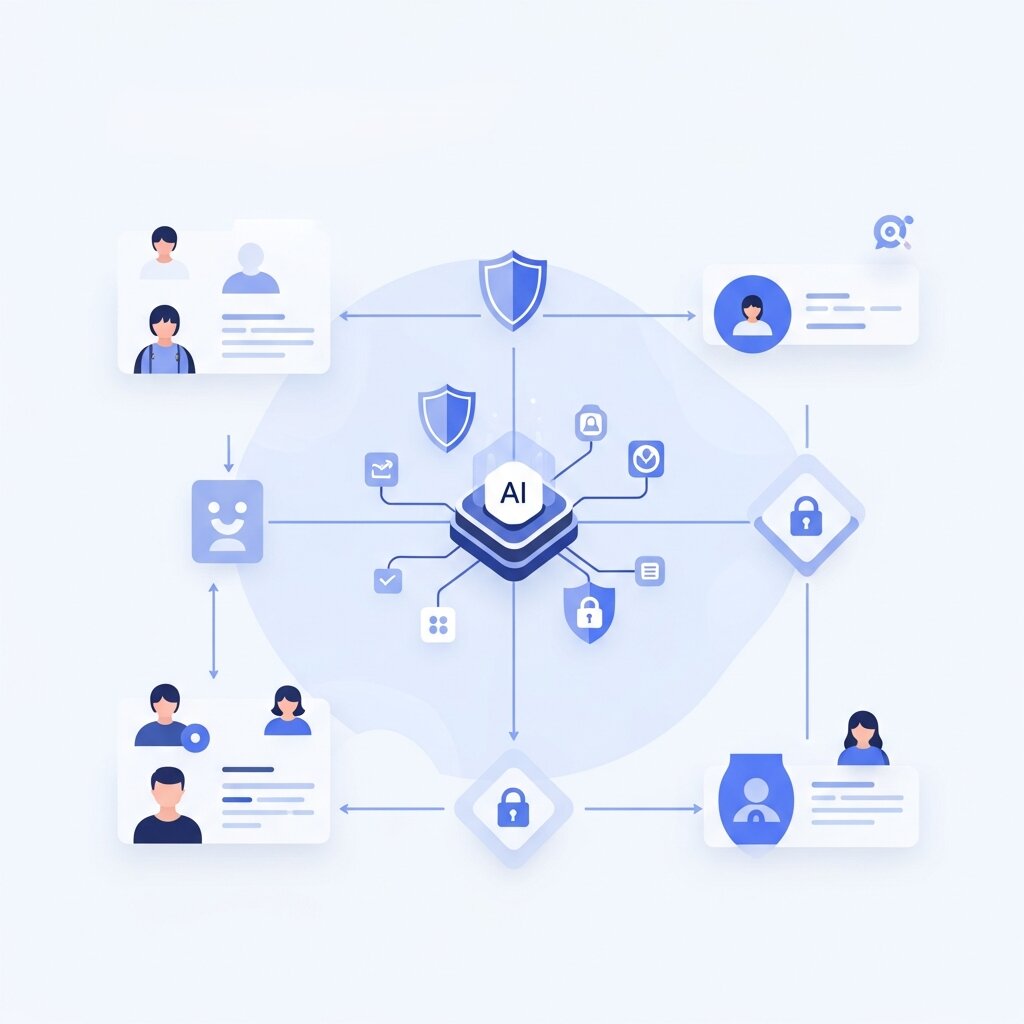
Automation amplifies the reach and efficiency of your SMS marketing segmentation efforts. Triggered messages fire based on predefined conditions, enabling you to nurture relationships at scale without manual intervention. A welcome series greets new subscribers with a sequence that introduces your brand, highlights unique selling points, and encourages a first purchase. Abandoned cart alerts remind shoppers of items left behind, often recovering significant revenue.
Re-engagement flows target inactive subscribers with personalized offers designed to rekindle their interest. Post-purchase follow-ups express appreciation, request feedback, and suggest complementary products. Each automated touchpoint aligns with a specific segment and lifecycle stage, ensuring relevance and timeliness.
Meanwhile, strict adherence to compliance standards safeguards your brand and subscriber trust. Always obtain explicit consent through opt-in procedures and display your brand name or shortcode in every message. Honor unsubscribe requests immediately—processing opt-outs within 24 hours is essential. Familiarize yourself with the Telephone Consumer Protection Act (TCPA) and local regulations by consulting reputable sources such as the FCC.
Moreover, include straightforward opt-out instructions in every SMS—for instance, “Reply STOP to unsubscribe.” Transparent policies and prompt execution of opt-out requests minimize legal risk and maintain a positive brand reputation. By blending tailored automation with robust compliance measures, you can scale your SMS marketing segmentation without compromise.
Measuring Performance, Integrating Channels, and Embracing Trends
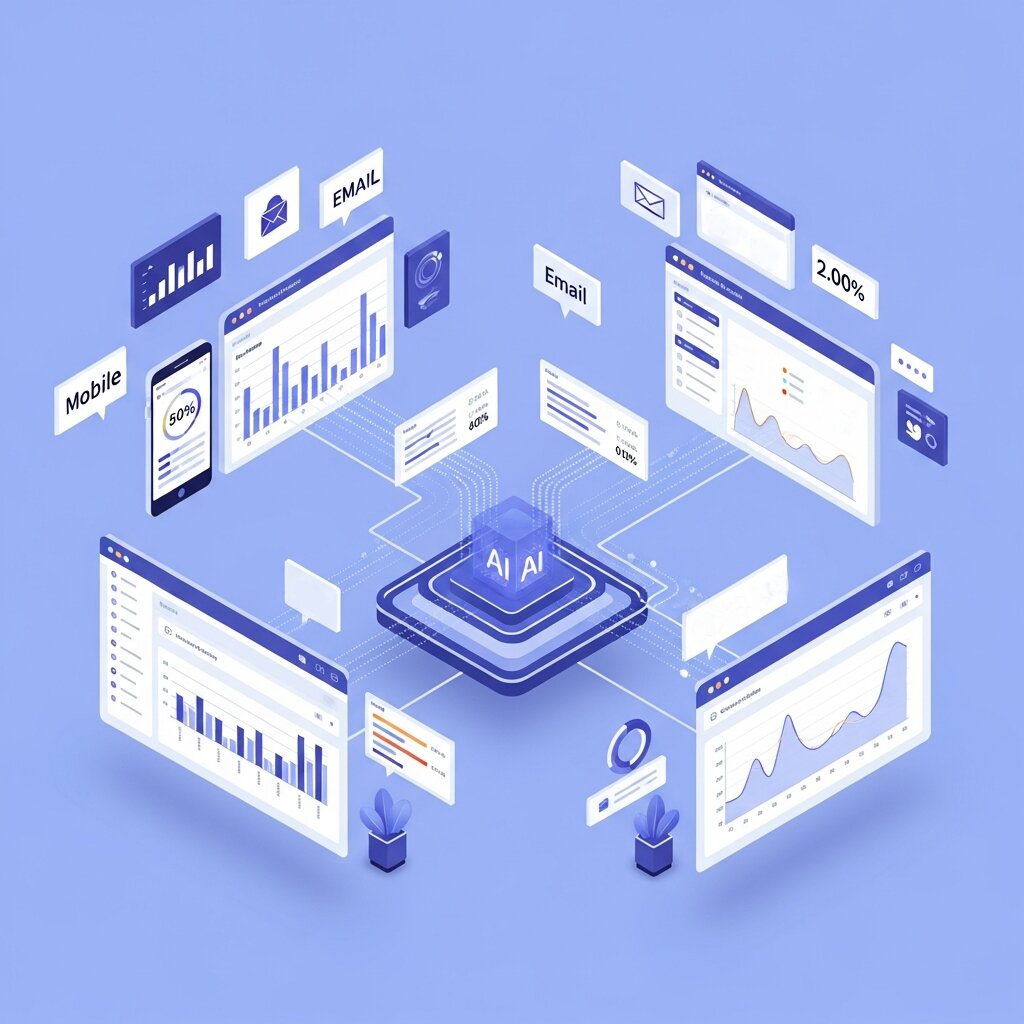
Accurate measurement is the backbone of an effective SMS marketing segmentation strategy. Key performance indicators (KPIs) such as delivery rate, open rate, click-through rate (CTR), and conversion rate provide insights into campaign health. Monitoring unsubscribe rates helps identify overmessaging and informs frequency adjustments. Meanwhile, calculating ROI—comparing revenue generated versus SMS spend—reveals the true impact of your efforts.
Integration with other marketing channels elevates engagement further. Employ your central CRM to trigger cross-channel sequences: if an email remains unopened after 24 hours, send an SMS reminder. Sync data across email, social advertising, and push notifications to craft a unified customer journey. Consistent branding, messaging style, and offers across channels reinforce recognition and trust.
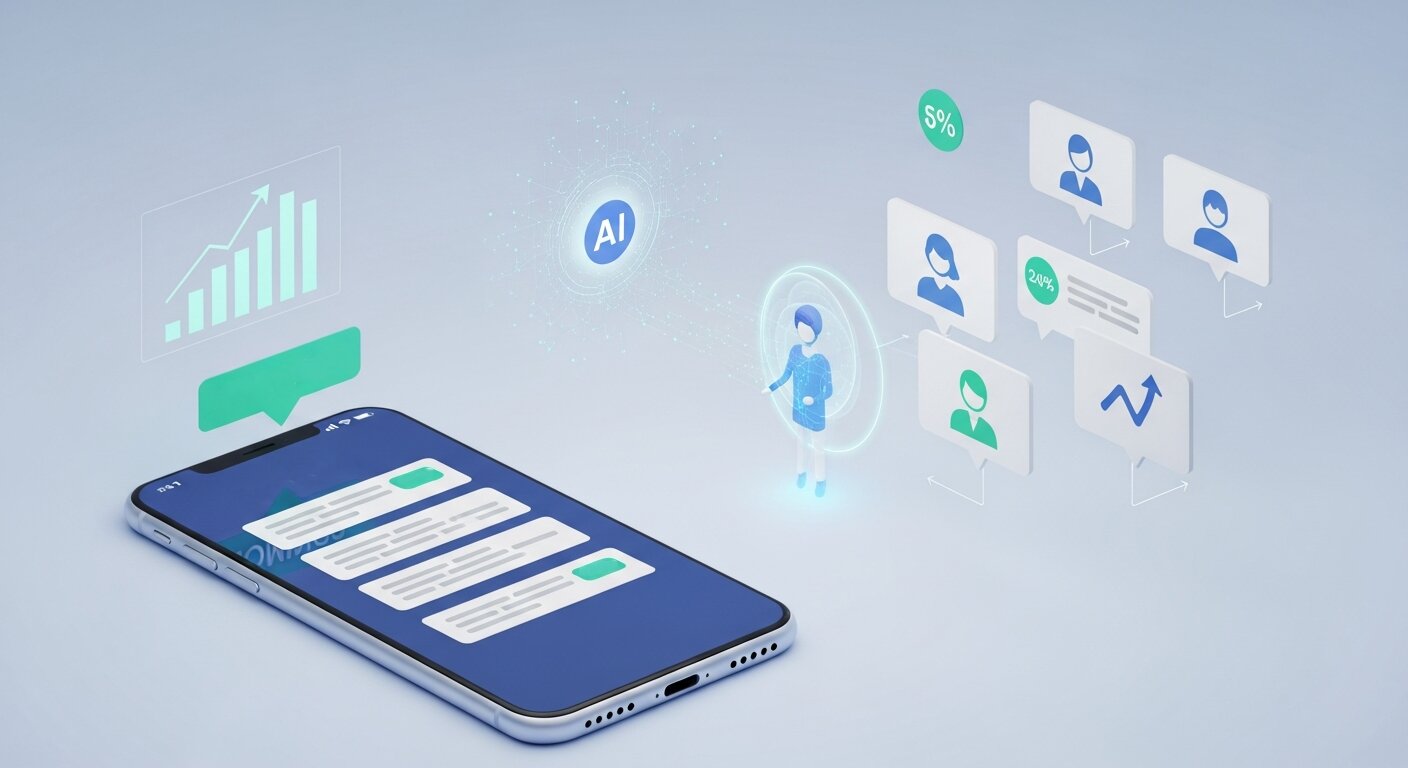
Finally, stay ahead by adopting emerging trends in SMS marketing segmentation. AI-driven segmentation models leverage machine learning to predict subscriber behaviors and adjust groupings in real time. Rich Communication Services (RCS) enable interactive messages featuring images, carousels, and action buttons for deeper engagement. Voice-to-text integrations allow seamless two-way conversations and AI-powered responses. By piloting these advanced capabilities, you’ll maintain a competitive edge.
As you refine your segmentation, automation, and measurement processes, your SMS marketing segmentation strategy will evolve into a high-precision tool that drives engagement, conversions, and lasting loyalty.
Leveraging Customer Data for Smarter Segmentation
Strong SMS marketing segmentation starts with collecting high-quality, structured customer data from multiple touchpoints. Businesses can combine CRM records, website analytics, purchase history, app activity, and email engagement data to build a complete customer profile. This allows marketers to understand not only who the customer is, but how they behave over time. By identifying patterns such as buying frequency, product affinity, seasonal behavior, and engagement trends, businesses can create highly accurate segments that improve targeting precision and campaign performance.
Building Automated Customer Journeys with SMS
Automation plays a key role in scaling SMS marketing segmentation effectively. Instead of sending manual messages, businesses can design automated customer journeys triggered by specific actions like sign-ups, purchases, cart abandonment, or inactivity. These workflows guide users step-by-step through the funnel with timely and relevant SMS messages. For example, a new subscriber can receive a welcome series, while a returning customer may receive loyalty rewards. This ensures consistent communication, reduces manual workload, and significantly improves conversion rates.
Improving Customer Retention Through Segmentation
SMS segmentation is not limited to acquisition—it is a powerful retention tool. By categorizing customers into groups such as loyal buyers, occasional shoppers, and inactive users, businesses can design targeted retention strategies. Loyal customers can receive exclusive early access or VIP discounts, while inactive users can be re-engaged with limited-time offers or personalized incentives. This targeted approach helps reduce churn, improve customer lifetime value, and strengthen long-term relationships with the brand.
Using Personalization to Increase Engagement
Personalization is one of the strongest drivers of SMS engagement. Beyond inserting a customer’s name, advanced personalization uses behavioral insights such as browsing history, previous purchases, and product preferences to craft highly relevant messages. For example, recommending products based on recent activity or sending reminders tied to abandoned carts creates a more meaningful experience. When customers feel understood, they are more likely to engage, click, and convert, making personalization a core element of successful SMS campaigns.
FAQ
What is SMS marketing segmentation?
SMS marketing segmentation is the practice of dividing your subscriber list into distinct groups based on attributes like demographics, behavior, engagement level, or lifecycle stage. This enables you to send highly relevant and personalized messages, boosting response rates and ROI.
How often should I send SMS campaigns to segmented lists?
While timing depends on your audience and content, a general guideline is no more than two to three promotional messages per segment each week. Monitor unsubscribe and engagement rates to adjust frequency and prevent subscriber fatigue.
How do I ensure compliance with TCPA regulations?
Always obtain explicit consent through opt-in procedures, clearly identify your brand in every message, and include simple opt-out instructions like “Reply STOP to unsubscribe.” Process opt-out requests within 24 hours and consult resources such as the FCC for up-to-date guidelines.
What is SMS marketing segmentation?
SMS marketing segmentation is the process of dividing your subscriber list into smaller groups based on demographics, behavior, interests, or purchase history to send more relevant messages.
Why is SMS marketing segmentation important?
It improves engagement, increases conversions, reduces unsubscribe rates, and ensures customers receive messages that match their needs and preferences.
How does segmentation improve SMS campaign performance?
By sending targeted messages, businesses achieve higher open rates, better click-through rates, and stronger customer responses compared to generic messaging.
What data is used for SMS segmentation?
Common data includes age, location, purchase behavior, browsing activity, engagement history, and customer lifecycle stage.
What are the main types of SMS segmentation?
The main types include demographic, behavioral, geographic, engagement-based, and lifecycle-based segmentation.
How often should segmented SMS campaigns be sent?
Frequency depends on the audience, but typically 2–3 messages per week per segment is recommended to avoid fatigue.
Can small businesses use SMS segmentation?
Yes, even small businesses can use basic segmentation using location, purchase history, and customer preferences to improve targeting.
What tools are used for SMS marketing segmentation?
Popular tools include CRM systems, SMS marketing platforms like Twilio, Klaviyo, and HubSpot, which support automation and segmentation.
How does SMS segmentation help increase ROI?
It reduces wasted messaging, improves targeting accuracy, and increases conversion rates, leading to higher return on investment.
Is SMS marketing segmentation compliant with regulations?
Yes, as long as businesses follow rules like GDPR and TCPA by obtaining consent and providing clear opt-out options.
What is the difference between segmentation and personalization?
Segmentation groups audiences, while personalization customizes messages for individuals within those groups.
How can I start with SMS marketing segmentation?
Start by cleaning your subscriber list, collecting relevant data, defining basic segments, and gradually automating your campaigns for better targeting.
Conclusion
SMS marketing segmentation offers an unparalleled opportunity to deliver personalized, timely, and relevant messages to your audience in today’s crowded digital environment. By building and maintaining a clean subscriber list, defining meaningful segmentation criteria, and crafting tailored campaigns with precise timing, you lay the groundwork for success. Automating workflows ensures scalability while strict compliance safeguards your brand’s integrity. Measuring performance through key metrics and integrating SMS with other channels creates a seamless experience that resonates across touchpoints. Embracing cutting-edge trends such as AI-driven groupings and Rich Communication Services keeps you at the forefront of innovation. When executed thoughtfully, SMS marketing segmentation transforms a basic communication channel into a powerful engine for engagement and revenue growth. Adopt these best practices this year (2026) to maximize ROI and cultivate lasting customer relationships through highly targeted and impactful messaging.