

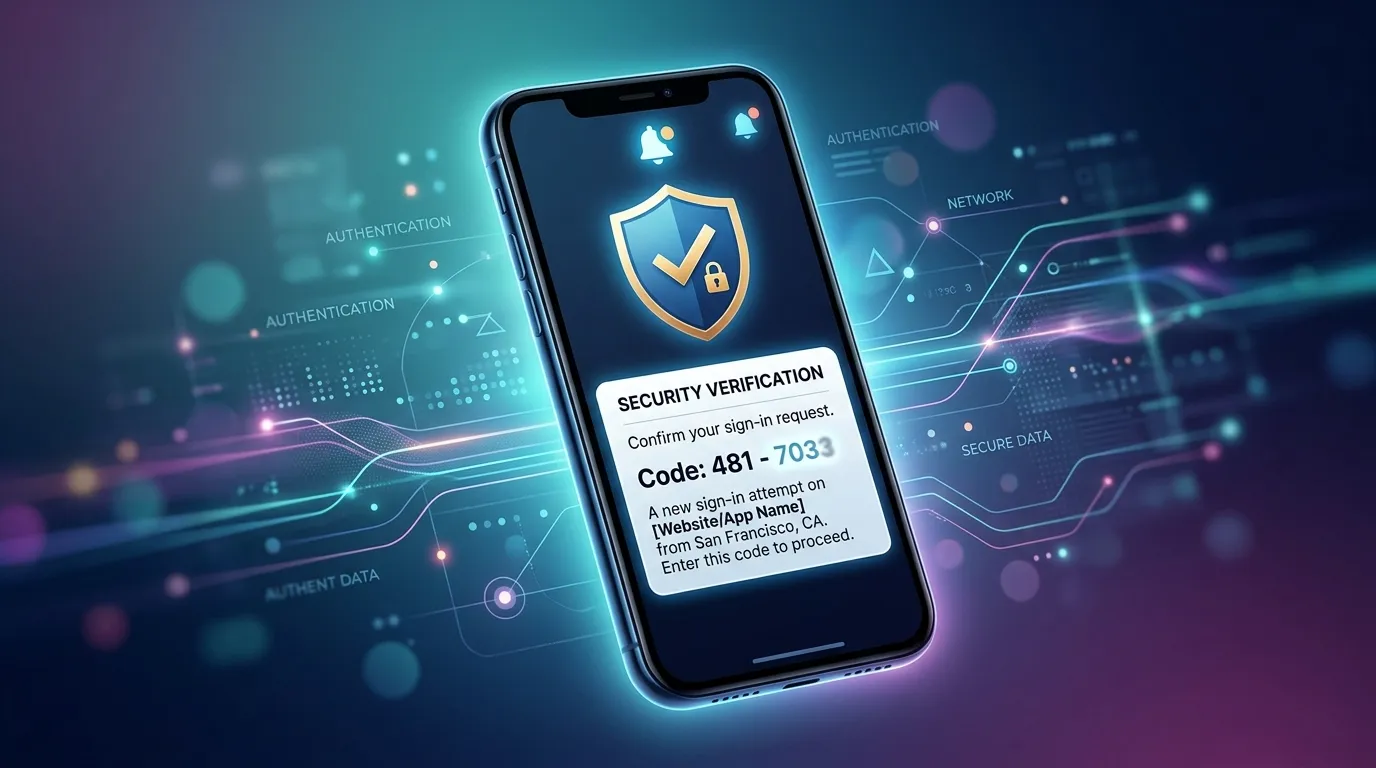
An SMS verification code is a unique, temporary string of numbers or letters sent to a user’s mobile phone via text message. Businesses and platforms use these codes to verify a user’s identity during login attempts, account creations, or sensitive transactions, adding an essential layer of security against unauthorized access.
Digital security requires robust methods to confirm that users are exactly who they claim to be. Passwords alone no longer provide adequate protection against sophisticated cyber threats, data breaches, and unauthorized access attempts. This vulnerability has driven the widespread adoption of secondary security measures across digital platforms.
The most common and accessible of these secondary measures relies on the mobile devices people carry every day. When a platform needs to verify identity, it leverages cellular networks to deliver a temporary, single-use credential directly to the user’s hand. This method bridges the gap between digital accounts and physical possession.
Understanding this security mechanism is essential for navigating modern digital services safely. This comprehensive guide explores the definition, underlying technology, and practical applications of these security codes, while providing actionable solutions for common delivery issues.
SMS verification code meaning
At its core, the SMS verification code meaning revolves around identity confirmation. It is a randomly generated, time-sensitive sequence of characters transmitted to a registered mobile phone number. The primary purpose of this code is to prove that the person attempting to access an account or complete an action is the legitimate owner of the associated phone number.
Organizations use these codes as a barrier against automated bots, hackers, and unauthorized users. Because the code is sent through a cellular network rather than over the internet, intercepting it requires significantly more effort than stealing a traditional password. This physical separation of delivery channels creates a formidable defense mechanism for digital assets.
Mechanics behind how SMS verification code works
The process behind how SMS verification code works involves coordination between an application, an authentication server, and telecommunication networks. When a user triggers an authentication event, the application requests a code from the security server. The server generates a unique alphanumeric string and assigns it a brief expiration window, typically ranging from five to fifteen minutes.
Once generated, the server routes this code through an SMS gateway API. The gateway translates the digital request into a format compatible with cellular networks and forwards it to the user’s mobile carrier. The carrier then delivers the message to the user’s mobile device. The user must manually input this code back into the application before the expiration window closes, at which point the server validates the input and grants access.
SMS OTP verification process

The SMS OTP verification process represents a specific workflow designed to maximize security without completely sacrificing user convenience. OTP stands for One-Time Password, highlighting the temporary nature of the credential. This process typically triggers during high-risk activities, such as password resets, financial transfers, or logins from unrecognized devices.
During this process, the authentication system links the generated OTP to the specific session and user profile. If the user enters the correct code within the allotted timeframe, the system records a successful validation and clears the OTP from its database. If the user enters an incorrect code multiple times, the system will lock the account or require the user to start the process over, mitigating the risk of brute-force guessing attacks.
Role of the two-factor authentication SMS code
A two-factor authentication SMS code serves as the crucial “something you have” component in a multi-layered security strategy. Two-factor authentication (2FA) requires users to provide two different types of evidence to verify their identity. The first factor is usually “something you know,” such as a password or PIN.
The SMS code fulfills the second requirement by proving possession of the registered mobile device. Even if malicious actors compromise a password database and obtain a user’s primary login credentials, they cannot access the account without also stealing the user’s physical phone or intercepting their text messages. This dual-layered approach drastically reduces the success rate of account takeover attacks.
Online account SMS verification
Platforms implement online account SMS verification during the initial onboarding phase to ensure platform integrity. When a new user registers for a service, the platform requires a valid phone number. Sending a code to this number confirms that the user has provided legitimate contact information and helps prevent the creation of bulk, fraudulent accounts by automated scripts.
This verification step establishes a trusted communication channel between the service provider and the user. Platforms like social media networks, banking applications, and e-commerce websites rely on this established channel to send critical security alerts, notify users of suspicious activities, and provide a secure method for account recovery if the user forgets their primary password.
Reasons behind why I receive SMS verification code

Users often wonder about the specific triggers that cause these messages to appear on their devices. Understanding why I receive SMS verification code alerts requires looking at the security policies of the platforms you use. You will typically receive a code when logging into an account from a new browser, purchasing an item with a saved credit card, or updating sensitive account details like your mailing address or email.
However, receiving a code you did not request is a critical security warning. If a verification code arrives unexpectedly, it strongly indicates that someone else possesses your password and is actively attempting to access your account. In these situations, the SMS code is successfully blocking the intrusion, but you should immediately change your password for that specific service.
SMS security code explanation
An SMS security code explanation must highlight the cryptographic principles that make these codes effective. The algorithms used to generate these codes ensure high entropy, meaning the sequence of numbers is entirely unpredictable. Furthermore, the short lifespan of the code renders it useless to attackers who might discover it after the expiration window has passed.
The security relies on the Out-of-Band (OOB) authentication principle. OOB authentication utilizes two separate networks working simultaneously to verify a user. The user initiates the login over an internet connection (Wi-Fi or broadband), but the verification code travels over a cellular network (GSM, CDMA, or LTE). Hacking both networks simultaneously requires resources and expertise generally unavailable to standard cybercriminals.
Phone number verification code system
The phone number verification code system relies heavily on the global infrastructure of telecommunications providers. Businesses do not send these messages directly from their own servers; instead, they partner with specialized communication platforms as a service (CPaaS) providers like Twilio, Sinch, or Vonage.
These CPaaS providers maintain direct connections with mobile carriers worldwide. They handle the complex routing logic necessary to deliver text messages across international borders, manage carrier-specific formatting requirements, and ensure high delivery rates. This backend infrastructure is what allows a user in Tokyo to seamlessly receive a verification code from a server hosted in New York within seconds.
Understanding the SMS one-time password (OTP)
The SMS one-time password (OTP) is a dynamic credential that changes with every authentication attempt. Unlike static passwords, which remain the same until manually changed, the OTP is generated on the fly. This dynamic nature neutralizes the threat of replay attacks, where a hacker intercepts a password and uses it at a later time.
The length of an OTP generally ranges from four to eight digits. A six-digit code is the industry standard, striking an optimal balance between security and user experience. Six digits provide one million possible combinations, which is secure enough to prevent manual guessing within a five-minute window, yet short enough for a user to memorize briefly and type into a form without frustration.
SMS verification code not received solutions
Encountering an SMS verification code not received error can be a frustrating barrier to accessing your digital accounts. Several common technical issues can disrupt the delivery pipeline. Implementing standard troubleshooting steps can resolve the majority of these delivery failures quickly and restore access to your accounts.
First, verify that your device maintains a strong cellular signal, as SMS delivery relies on cellular networks rather than Wi-Fi. Check your device’s blocked numbers list to ensure you haven’t accidentally blocked the shortcode used by the service provider. Restarting your mobile device can refresh your connection to the cellular tower and dislodge pending messages. Finally, verify that your mobile plan allows for the reception of premium or shortcode SMS messages, as some strict corporate or prepaid plans block these by default.
Final thoughts on mobile verification
Mobile verification codes remain a foundational element of digital security architecture. While newer technologies like authenticator apps and biometric passkeys offer advancements in security, SMS-based verification provides unmatched universal accessibility. Nearly every mobile phone can receive a text message without requiring additional software downloads or complex setup procedures.
Organizations will continue to rely on this technology to secure user data, verify transactions, and prevent automated fraud. By understanding how these systems operate, users can better protect their digital identities, recognize potential security threats, and navigate the verification process with confidence.
Frequently Asked Questions
Purpose of SMS verification
Organizations implement SMS verification to confirm a user’s identity and secure accounts against unauthorized access. This method ensures the person logging in physically possesses the mobile device registered to the account.
Cost of receiving SMS codes
Receiving SMS verification codes is generally free for the end-user. The business or platform sending the code absorbs the cost of routing the message through telecommunication networks.
Timeline for OTP delivery
A standard verification code should arrive on your mobile device within 5 to 15 seconds of the request. Network congestion or international routing complexities can occasionally delay delivery up to a few minutes.
Security risks of SMS codes
While highly effective against remote hackers, SMS codes are vulnerable to SIM swapping attacks. In this scenario, a malicious actor convinces a telecom provider to transfer your phone number to their device, allowing them to intercept your security codes.
Alternatives to SMS verification
Users seeking higher security can utilize authenticator applications (like Google Authenticator or Authy), hardware security keys (like YubiKey), or biometric passkeys. These alternatives do not rely on cellular networks and are immune to SIM swapping tactics.