

In today’s digital landscape, consumers are inundated with notifications, banner ads and overflowing inboxes. Brands must find tactics that cut through the noise and prompt immediate action. SMS marketing offers precisely that direct line to mobile audiences. With most recipients opening text messages within minutes of receipt, this channel delivers unparalleled immediacy and engagement. Businesses of all sizes—whether local boutiques or global enterprises—are exploring SMS marketing as a core component of their outreach strategies.
Mobile devices accompany people everywhere, turning SMS into a powerful platform for delivering promotions, alerts, and personalized updates straight to consumers’ pockets. Unlike social media or email, text messaging commands outstanding open and response rates. Research from the Pew Research Center shows that over 95 percent of text messages are read, often within three minutes . In this comprehensive guide, we’ll examine the fundamentals of SMS marketing: how to craft compelling messages, ensure legal compliance, refine audience segmentation, integrate automation and measure success. Whether you’re starting your first campaign or refining an existing program, you’ll gain actionable insights to optimize every step of the journey.
Throughout this article, you’ll encounter best practices drawn from industry authorities like the Federal Communications Commission and leading marketing platforms. By the end, you’ll be equipped to design high-impact SMS campaigns that boost conversions, foster loyalty and unlock new revenue streams. Let’s dive into the world of SMS marketing and discover why it remains a top priority for brands.
What is SMS marketing and why does it matter
Defining SMS marketing in today’s environment
SMS marketing entails sending concise text messages to opted-in recipients via short message service (SMS) protocols. These communications can include limited-time offers, appointment reminders, order confirmations, or personalized alerts. Because mobile devices are almost always within arm’s reach, SMS provides a direct gateway to your audience that is difficult for other media to replicate. In today’s fast-paced world, the speed of delivery and the brevity of SMS make it a go-to channel for time-sensitive communications.
Comparing SMS to other marketing channels
While email and social media platforms remain essential, they often face lower open rates and longer engagement cycles. Average email open rates hover around 20 percent, whereas SMS open rates routinely exceed 90 percent. Additionally, click-through rates for email typically land between 2 and 5 percent, compared with SMS rates of 10 to 30 percent. This stark contrast underscores why organizations seeking rapid engagement turn to SMS marketing for critical alerts or promotional pushes.
Use cases and core applications
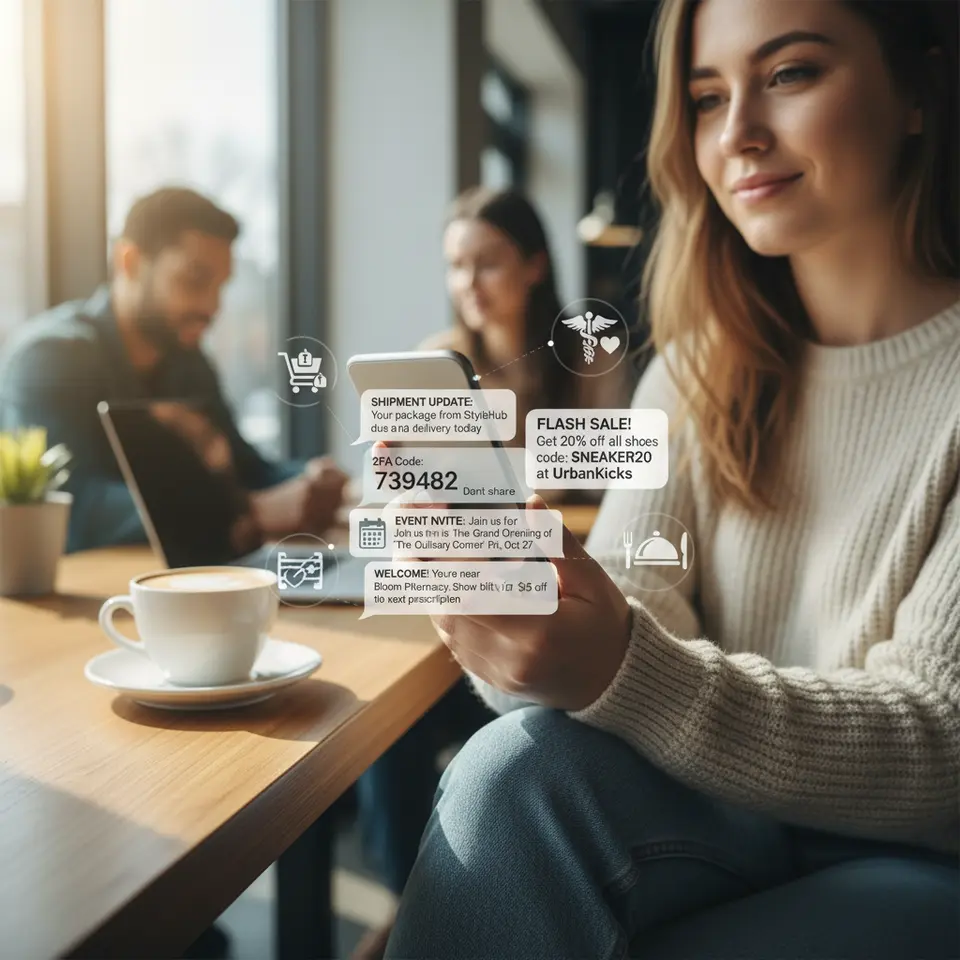
Businesses employ SMS marketing for both transactional and promotional purposes. Transactional messages deliver expected information such as shipping updates or two-factor authentication codes. Promotional texts, on the other hand, notify subscribers about sales events, exclusive discount codes or local store openings. Advanced campaigns may leverage geo-fencing to send location-based offers when customers enter a designated radius around brick-and-mortar locations. From retail and healthcare to hospitality and nonprofits, use cases span industries, making SMS marketing a universal tool for boosting customer engagement and driving measurable results.
Key Advantages of SMS marketing
Unmatched reach and immediacy
One of the biggest strengths of SMS marketing is its direct reach. Unlike apps that require downloads or push notifications that can be disabled, text messages arrive in the native messaging inbox. According to mobile industry data, the average person checks their phone over 150 times per day, creating repeated opportunities for message visibility. This immediacy translates into fast engagement—subscribers often act promptly when they see a compelling offer.
Cost efficiency and return on investment
Despite its impact, SMS marketing remains highly cost-effective. Many service providers offer volume-based pricing models, allowing businesses to scale campaigns without ballooning expenses. Industry benchmarks reveal that every dollar invested in SMS can yield upwards of $42 in revenue. Small businesses appreciate that even modest budgets can drive significant returns, while enterprises benefit from predictable cost structures as they expand global campaigns.
Seamless integration with other channels
SMS marketing thrives when combined with email, social media and in-app messaging. For example, you might send an email invitation to an event, then follow up with a text reminder on the day of the gathering. This layered approach reinforces your messaging and reduces the risk of missed communications. Integrations between SMS platforms and CRMs or marketing automation suites enable dynamic data sharing, ensuring that every channel reflects the most current customer preferences and behaviors.
Setting objectives and building targeted audiences
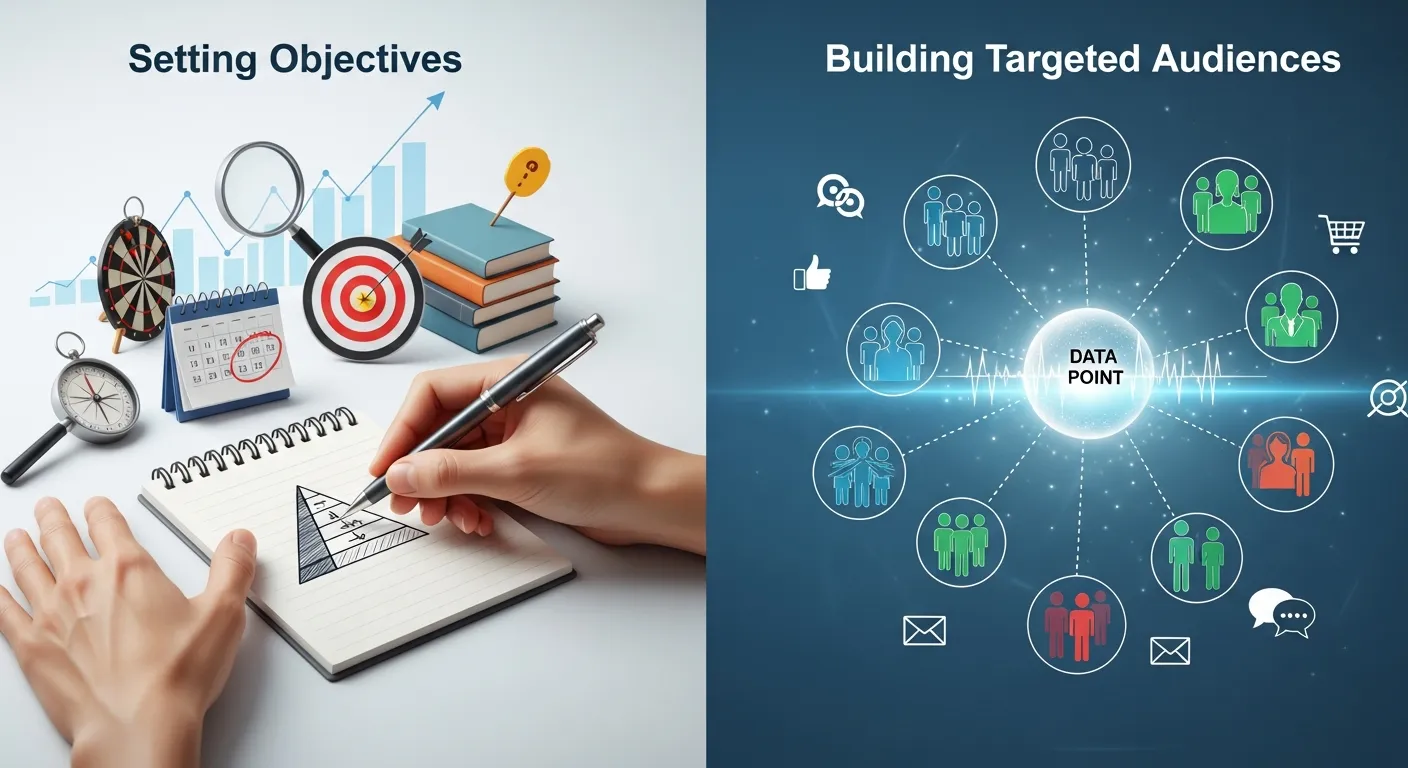
Defining SMART goals for SMS campaigns
Before sending any texts, it’s vital to establish clear objectives. Employ the SMART framework—Specific, Measurable, Achievable, Relevant and Time-bound—to craft goals that guide campaign development. For instance, aim to increase online sales by 15 percent during a weekend flash promotion or secure 200 new webinar registrations within 48 hours. By assigning key performance indicators (KPIs) like delivery rates, click-throughs and conversions, you’ll have actionable metrics to track progress and inform iterative improvements.
Growing and segmenting your subscriber base
Valid consent is the cornerstone of effective SMS marketing. Promote signups at checkout, on your website and during in-store interactions. Use lead magnets—such as exclusive discount codes or early access to new products—to incentivize subscriptions. Once subscribers opt in, leverage demographic, behavioral and transactional data to segment the audience. Create groups based on purchase history, location or engagement frequency, then tailor messages to each segment’s unique needs. Segmenting ensures that every text adds relevance and value, reducing opt-outs and bolstering long-term retention.
Tools for audience acquisition and management
Leading SMS marketing platforms like Twilio SendGrid, Klaviyo and Attentive offer built-in signup forms, landing pages and integrations with ecommerce systems. These solutions automatically sync subscriber data with your CRM, enabling real-time updates to lists and segments. Employ double opt-in workflows—where new subscribers confirm via a reply text or email link—to validate phone numbers and improve deliverability. Robust audience management practices lay the foundation for high-performing campaigns that resonate with engaged subscribers.
Regulatory compliance and ethical practices

Understanding key regulations
Compliance with regional and national laws is non-negotiable in SMS marketing. In the United States, the Telephone Consumer Protection Act (TCPA) requires businesses to obtain explicit written consent before sending promotional texts. The Federal Communications Commission (FCC) enforces strict guidelines on message content and frequency. In the European Union, the General Data Protection Regulation (GDPR) mandates explicit opt-in and imposes severe penalties for noncompliance. Always include clear opt-out instructions—typically by replying with “STOP”—to honor subscriber preferences and minimize legal risks.
Best practices for consent and transparency
Provide a transparent opt-in experience by offering disclosures at the point of signup. Sample language might read: “By providing your phone number, you agree to receive marketing texts. Message and data rates may apply. Reply STOP to unsubscribe.” Maintain records of consent, opt-out requests and message archives for at least two years. Employ double opt-in processes to confirm subscriber intent and enhance list quality. Ethical data handling not only reduces the risk of fines but also fosters trust, encouraging more customers to engage with your brand.
Maintaining list hygiene and respecting preferences
Regularly scrub your contact lists to remove inactive or invalid numbers. Monitor bounce rates and opt-out metrics to identify potential issues with message frequency or content relevance. When subscribers request to unsubscribe, process their requests immediately and send a confirmation. By honoring preferences and keeping your lists clean, you safeguard your sender reputation and maximize deliverability in the long term.
Advanced SMS marketing techniques
Segmentation, personalization and dynamic content
Once you’ve built a compliant subscriber base, elevate your SMS marketing with precise segmentation and personalized messaging. Use demographic data—such as age or location—to tailor local promotions. Leverage transactional information to recommend related products or send post-purchase follow-ups. Dynamic fields can insert names, loyalty point balances or appointment times directly into texts. The more relevant your content feels, the higher your open and conversion rates will climb.
A/B testing and performance optimization
Continuous testing is critical for refining message effectiveness. Experiment with various elements: call-to-action phrasing, link placement, use of emojis or urgency triggers like “today only.” Test send times to determine peak engagement windows for different segments. Track metrics—delivery, open, click-through and conversion rates—to identify winning combinations. Rapid iteration based on reliable data insights empowers you to squeeze maximum ROI from each campaign.
Automation workflows and integration best practices
Automation platforms allow marketers to design event-based triggers and drip sequences that scale without manual intervention. Typical workflows include abandoned cart alerts, birthday greetings, welcome series and post-event feedback requests. Integrate SMS with your CRM and ecommerce stack so that actions in one system automatically trigger targeted texts in another. Tools like Klaviyo and Attentive offer drag-and-drop builders for creating intricate flows, while Twilio’s APIs enable custom integrations. By automating routine tasks, your team can focus on strategic planning and creative testing.
Measuring success and refining strategy
Establish dashboards to consolidate SMS campaign metrics alongside email and social data. Key performance indicators include delivery rates, click-through rates, conversion rates and subscriber growth. Calculate ROI by comparing revenue generated against total campaign costs—message fees, platform subscriptions and creative expenses. Dive deeper by assessing customer lifetime value for SMS-acquired subscribers compared to other channels. Use attribution models to understand the incremental lift SMS marketing provides within your overall strategy. Ongoing analysis and optimization ensure your SMS initiatives remain agile and results-driven.
Conclusion
SMS marketing stands as a cornerstone tactic for businesses seeking fast, reliable engagement in 2026. Its unparalleled open rates, cost efficiency and seamless integration make it an essential component of any multichannel strategy. By setting clear objectives, building compliant subscriber lists and leveraging advanced segmentation, brands can deliver personalized, high-impact messages that drive conversions and foster loyalty. Automation and rigorous performance measurement further amplify results, enabling teams to scale successful workflows while maintaining relevance.
As technologies like Rich Communication Services (RCS) and AI-powered analytics gain traction, SMS marketing will continue evolving. RCS promises interactive carousels and embedded buttons, while machine learning can inform ideal send times and tailor content on a granular level. To stay ahead, begin experimenting with these emerging capabilities and refine your approach based on data-driven insights. With a solid foundation of compliance, compelling content and strategic targeting, your SMS marketing campaigns will unlock new growth opportunities and deliver remarkable returns throughout this year (2026) and beyond.